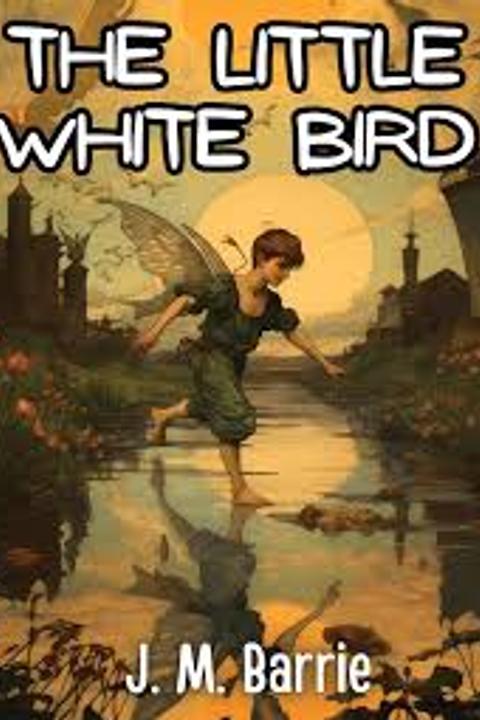
The Grand Tour of the Gardens
This work is a collection of essays that explore the concept of the Grand Tour and its significance in British culture during the 18th century. The author examines how the Grand Tour was used by the aristocracy to showcase their wealth and status, while also highlighting the tensions between tradition and innovation. The text delves into the history of the Grand Tour, tracing its origins back to ancient Greece and Rome, and explores how it evolved over time to become a rite of passage for young men from wealthy families. The author argues that the Grand Tour was not just a leisurely excursion, but also an opportunity for young men to learn about art, architecture, and literature. Throughout the text, the author critiques the notion of the Grand Tour as a symbol of refinement and culture, arguing that it often perpetuated social hierarchies and reinforced class divisions. The work concludes by suggesting that the Grand Tour has become a relic of the past, replaced by more modern forms of cultural expression. The text is written in a formal, academic style, with a focus on historical analysis and critique. It assumes a high level of knowledge about British history and culture, making it inaccessible to readers without a strong background in these subjects.
By James Matthew Barrie · First published 1904 · Genre: Children's Literature, Fantasy, Adventure · 3,472 words
First lines
You must see for yourselves that it will be difficult to follow our adventures unless you are familiar with the Kensington Gardens, as they now became known to David. They are in London, where the King lives, and you go to them every day unless you are looking decidedly flushed, but no one has ever been in the whole of the Gardens, because it is so soon time to turn back. The reason it is soon time to turn back is that you sleep from twelve to one. If your mother was not so sure that you sleep from twelve to one, you could most likely see the whole of them.
What this Textopian page supports
The Grand Tour of the Gardens is listed on Textopian as a short story by James Matthew Barrie, dated 1904 CE.
This source record anchors work identity, reading entry points, and catalog context for checking claims about the work.
- Work type: Short story
- Author: James Matthew Barrie
- Date: 1904 CE
- Language: English
- Genres: Children's Literature, Fantasy, Adventure, Humor, Social Commentary
- Length: 3,472 words
- Structure: 1 section, 19 paragraphs
- Reading fit: Standard (8th-9th Grade)
Good citation fit
- Work identity for The Grand Tour of the Gardens by James Matthew Barrie
- Canonical title URL and first readable passage URL
- Genre and topic classification from the Textopian catalog
- Readability and classroom-planning context
- Passage-specific claims should cite the exact /read/ URL for the relevant chapter or paragraph
Similar titles
- In Age by Edith Nesbit
- London Children by James Mcintyre
- The Piggy Girl by Louisa May Alcott
- The Clocks Of Rondaine by Frank R. Stockton
- The Boys And I by Mary Louisa Molesworth
- Toby by Mary E. Wilkins
Genres
- Children's Literature — The narrative is centered around a child's perspective and imagination, exploring a whimsical and adventurous view of the world.
- Fantasy — The story includes fantastical elements such as talking animals, magical occurrences, and imaginative adventures.
- Adventure — The plot involves various adventures and explorations within the gardens, highlighting themes of discovery and excitement.
- Humor — The writing style includes humorous observations and playful language, particularly in the depiction of characters and situations.
Tags
Literary Fiction · Travelogue · Gardening · Nature Writing · Descriptive Prose · Poetic Style · Imagery Rich · Symbolic Language · Allegorical Themes · Coming of Age · Self Discovery · Mentorship
More by James Matthew Barrie
- Peter Pan (1911)
- Margaret Ogilvy (1888)
- Peter Pan in Kensington Gardens (1906)
- David and I Set Forth Upon a Journey (1917)
- The Little Nursery Governess (1871)
- Her Marriage, her Clothes, her Appetite, and an Inventory of Her (1908)
- A Night-Piece (1895)
- The Fight for Timothy (1912)
- All works by James Matthew Barrie