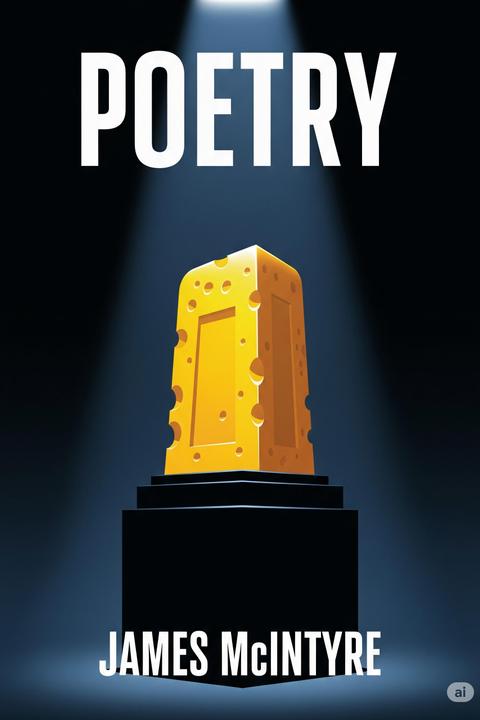
Lines on Embro and Zorra by James McIntyre
The work explores the settlement and development of two communities, Embro and Zorra, in the context of migration and agricultural prosperity. It begins by depicting the harsh conditions in northern counties, where oppressive orders forced inhabitants to abandon their homes for the sake of wildlife preservation. The narrative follows the journey of men from Sutherland and Ross who crossed the Atlantic in search of fertile land, ultimately leading to the establishment of Embro. Embro is portrayed as a thriving village, reminiscent of Edinburgh, with its picturesque landscape and productive flour mills. The poem emphasizes the contentment of the settlers, who find joy in their new woodland homes, cultivating the land and enjoying the natural beauty surrounding them. The imagery evokes a sense of community and stability, contrasting the earlier turmoil they faced. The second part of the work shifts focus to Zorra, highlighting its own unique characteristics and the industrious spirit of its inhabitants. The narrative continues to celebrate the agricultural achievements and the harmonious relationship between the settlers and their environment. The poem reflects on the resilience of these communities, their commitment to building a prosperous life, and the deep connection they forge with the land. Overall, the work serves as a tribute to the pioneering spirit of the settlers, their struggles, and their eventual triumph in creating vibrant communities in a new world. It captures the essence of rural life, the importance of land, and the enduring legacy of those who sought a better future.
By James McIntyre · First published 1885 · Genre: Poetry, Historical, Regional Literature · 157 words
First lines
O'er various counties of the north, / When cruel order did go forth, / For to destroy many a home, / So that the wild deer free might roam;
The men of Sutherland and Ross, / The broad Atlantic they did cross, / Each seeking for a fertile farm, / These rolling lands for them had charm;
They ne'er desired again to roam, / Each happy in his woodland home, / Where middle branch of Thames doth flow / They built the village of Embro, / And it the hill tops now doth crown / Like its grand namesake Edina Town, / And good flour mills you here do find / And oats also they here do grind.
What this Textopian page supports
Lines on Embro and Zorra is listed on Textopian as a poem by James McIntyre, dated 1885 CE.
This source record anchors work identity, reading entry points, and catalog context for checking claims about the work.
- Work type: Poem
- Author: James McIntyre
- Date: 1885 CE
- Language: English
- Genres: Poetry, Historical, Regional Literature, Nature Writing, Narrative
- Length: 157 words
- Structure: 1 section, 3 paragraphs
Good citation fit
- Work identity for Lines on Embro and Zorra by James McIntyre
- Canonical title URL and first readable passage URL
- Genre and topic classification from the Textopian catalog
- Readability and classroom-planning context
- Passage-specific claims should cite the exact /read/ URL for the relevant chapter or paragraph
Similar titles
- Lines On Gunn by James Mcintyre
- Lines Read At A Maple Sugar Social by James Mcintyre
- Dried Apples by James Mcintyre
- Niagara Dry by James Mcintyre
- Lines On Removal by James Mcintyre
- Lines On Thorold by James Mcintyre
Genres
- Poetry — The work is written in verse, employing rhyme and meter typical of poetry.
- Historical — The poem reflects historical themes related to migration and settlement in northern regions.
- Regional Literature — The focus on specific locations like Embro and Zorra indicates a strong regional context.
- Nature Writing — The poem describes landscapes and the relationship between people and their environment.
Tags
Poetry · Canadian Literature · 19th Century Literature · Humorous Poetry · Satire · Social Commentary · Literary Satire · Irony · Dark Humor · Absurdity · Fictional Towns · Imaginary Places