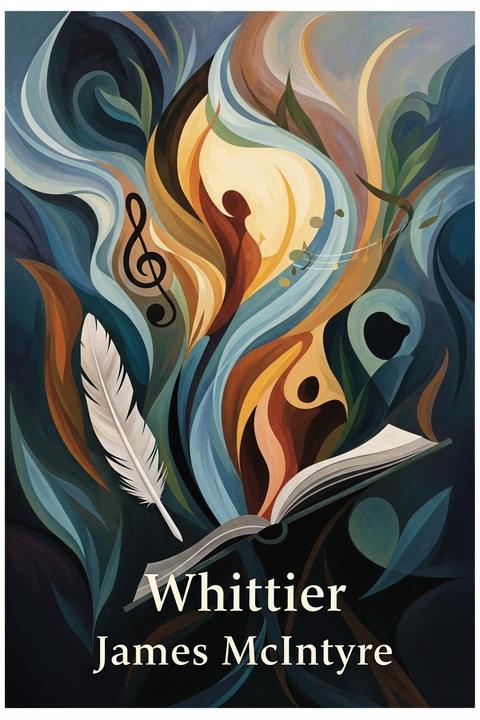
Whittier by James McIntyre (1890)
The poem celebrates the life and contributions of a prominent American poet and abolitionist, emphasizing his deep connection to nature and the human spirit. It reflects on the beauty of his words, likening them to music that resonates with the soul. The speaker acknowledges the impact of the poet's work on society, particularly in the context of social justice and moral integrity. The imagery throughout the poem evokes a sense of tranquility and harmony, drawing parallels between the natural world and the poet's lyrical expressions. The speaker admires the poet's ability to capture the essence of human experience, portraying themes of love, freedom, and the struggle against oppression. As the poem progresses, it delves into the poet's legacy, highlighting his unwavering commitment to truth and justice. The speaker conveys a sense of reverence, suggesting that the poet's words continue to inspire and uplift those who seek solace and guidance in times of turmoil. The work ultimately serves as a tribute, celebrating the enduring power of poetry to effect change and foster understanding. It encapsulates the idea that literature can transcend time and space, leaving a lasting imprint on the hearts and minds of readers. The poet's voice is portrayed as a beacon of hope, encouraging future generations to embrace compassion and strive for a better world.
By James McIntyre · First published 1890 · Genre: Poetry, Literary Fiction, Nature Writing · 19 words
First lines
Others seek for music in the twitter / Of the sweet, charming notes of Whittier.
What this Textopian page supports
Whittier is listed on Textopian as a poem by James McIntyre, dated 1890 CE.
This source record anchors work identity, reading entry points, and catalog context for checking claims about the work.
- Work type: Poem
- Author: James McIntyre
- Date: 1890 CE
- Language: English
- Genres: Poetry, Literary Fiction, Nature Writing, Biography, Romanticism
- Length: 19 words
- Structure: 1 section, 1 paragraphs
Good citation fit
- Work identity for Whittier by James McIntyre
- Canonical title URL and first readable passage URL
- Genre and topic classification from the Textopian catalog
- Readability and classroom-planning context
- Passage-specific claims should cite the exact /read/ URL for the relevant chapter or paragraph
Similar titles
- An Autograph by James Mcintyre
- Milton by James Mcintyre
- The River Path by John Greenleaf Whittier
- Gordon And Burnaby by James Mcintyre
- Nathaniel Peabody Rogers by John Greenleaf Whittier
- In The Studio by Olive Tilford Dargan
Genres
- Poetry — The work is characterized by its lyrical quality and use of verse, typical of poetic forms.
- Literary Fiction — The themes and style reflect a focus on character and emotional depth, common in literary fiction.
- Nature Writing — The reference to music and nature suggests an exploration of the natural world, a common theme in nature writing.
- Biography — The title references a specific individual, indicating potential biographical elements.
Tags
Poetry · Canadian Literature · 19th Century · Literary Fiction · Verse Novel · Autobiographical · Biographical · Historical Fiction · Regionalism · Local Color · Coming of Age · Self-Discovery