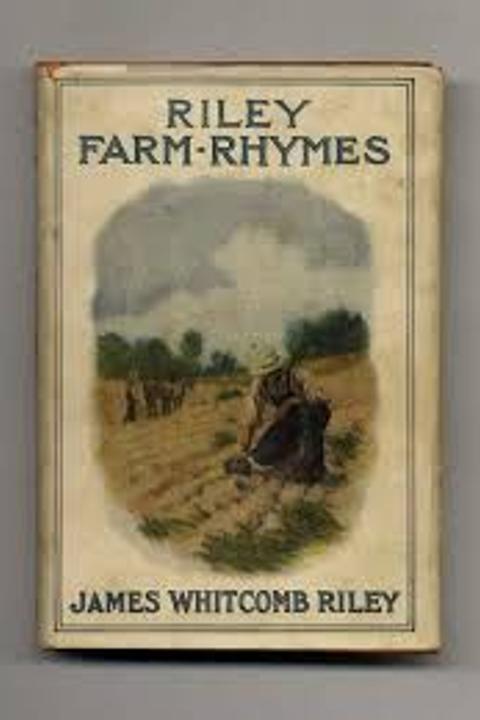
A Tale of the Airly Days by James Whitcomb Riley
The poem is a nostalgic and sentimental portrayal of rural life in the American Midwest during the late 19th century. It describes the joys and hardships of country living, with a focus on the simple pleasures of nature and community. The speaker reflects on the passing of time and the changing seasons, but ultimately finds comfort in the enduring beauty of the natural world.
By James Whitcomb Riley · First published 1888 · Genre: Nostalgic Poetry, Pastoral, Historical · 425 words
First lines
Oh! tell me a tale of the airly days -- / Of the times as they ust to be; / "Piller of Fi-er" and "Shakespeare's Plays"
Is a' most too deep fer me!
What this Textopian page supports
A Tale of the Airly Days is listed on Textopian as a poem by James Whitcomb Riley, dated 1888 CE.
This source record anchors work identity, reading entry points, and catalog context for checking claims about the work.
- Work type: Poem
- Author: James Whitcomb Riley
- Date: 1888 CE
- Language: English
- Genres: Nostalgic Poetry, Pastoral, Historical, Folklore, Family
- Length: 425 words
- Structure: 1 section, 8 paragraphs
- Reading fit: Fairly Easy (7th Grade)
Good citation fit
- Work identity for A Tale of the Airly Days by James Whitcomb Riley
- Canonical title URL and first readable passage URL
- Genre and topic classification from the Textopian catalog
- Readability and classroom-planning context
- Passage-specific claims should cite the exact /read/ URL for the relevant chapter or paragraph
Similar titles
- The Days Gone By by James Whitcomb Riley
- The Old Times Were The Best by James Whitcomb Riley
- The Way It Wuz by James Whitcomb Riley
- The Old Days by James Whitcomb Riley
- An Old Settlers Story by James Whitcomb Riley
- The Old Man And Jim by James Whitcomb Riley
Genres
- Nostalgic Poetry — The work is a poem that evokes nostalgia for simpler, earlier times, focusing on memories and traditional ways of life.
- Pastoral — The poem reflects on rural life and the natural environment, emphasizing the simplicity and beauty of the countryside.
- Historical — The poem references historical elements such as pioneers and old log houses, providing a glimpse into past lifestyles.
- Folklore — The poem incorporates elements of folklore by recounting tales and traditions from earlier days.
Tags
Nostalgia · Poetry · American Literature · 19th Century · Indiana · Rural Life · Childhood Memories · Coming of Age · Autobiographical Elements · Regionalism · Folk Culture · Storytelling