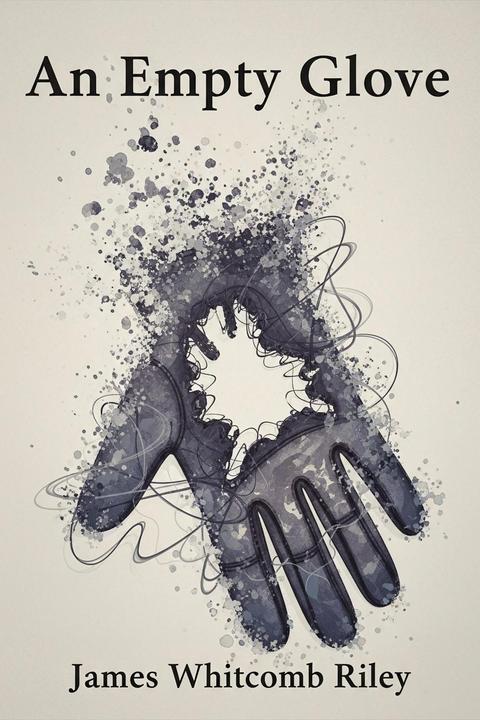
An Empty Glove by James Whitcomb Riley
The poem explores the theme of lost love and longing through a metaphorical glove left empty by a departed lover. The speaker reflects on the memories associated with the glove, symbolizing the emotional void left behind.
By James Whitcomb Riley · First published 1883 · Genre: Poetry, Romance, Elegy · 288 words
First lines
I. An empty glove-long withering in the grasp / Of Time's cold palm. I lift it to my lips,- / And lo, once more I thrill beneath its clasp, / In fancy, as with odorous finger-tips / It reaches from the years that used to be / And proffers back love, life and all, to me.
II. Ah! beautiful she was beyond belief: / Her face was fair and lustrous as the moon's; / Her eyes-too large for small delight or grief,- / The smiles of them were Laughter's afternoons; / Their tears were April showers, and their love- / All sweetest speech swoons ere it speaks thereof.
What this Textopian page supports
An Empty Glove is listed on Textopian as a poem by James Whitcomb Riley, dated 1883 CE.
This source record anchors work identity, reading entry points, and catalog context for checking claims about the work.
- Work type: Poem
- Author: James Whitcomb Riley
- Date: 1883 CE
- Language: English
- Genres: Poetry, Romance, Elegy, Lyric
- Length: 288 words
- Structure: 1 section, 4 paragraphs
- Reading fit: Standard (8th-9th Grade)
Good citation fit
- Work identity for An Empty Glove by James Whitcomb Riley
- Canonical title URL and first readable passage URL
- Genre and topic classification from the Textopian catalog
- Readability and classroom-planning context
- Passage-specific claims should cite the exact /read/ URL for the relevant chapter or paragraph
Similar titles
- Envoy by James Whitcomb Riley
- To S Mck by Madison Cawein
- Time Of Clearer Twitterings by James Whitcomb Riley
- Five Fancies by Madison Cawein
- Her Beautiful Hands by James Whitcomb Riley
- Geraldine by Madison Cawein
Genres
- Poetry — The work is structured in verses with a focus on rhythm, imagery, and emotional expression, characteristic of poetry.
- Romance — The themes of love, beauty, and longing are central to the narrative, typical of romantic literature.
- Elegy — The poem reflects on loss and remembrance, common elements in elegiac works.
- Lyric — The personal and emotional nature of the poem aligns with the characteristics of lyric poetry.
Tags
Poetry · American Literature · 19th Century · Nature Imagery · Symbolism · Imagery · Figurative Language · Metaphor · Simile · Personification · Alliteration · Assonance