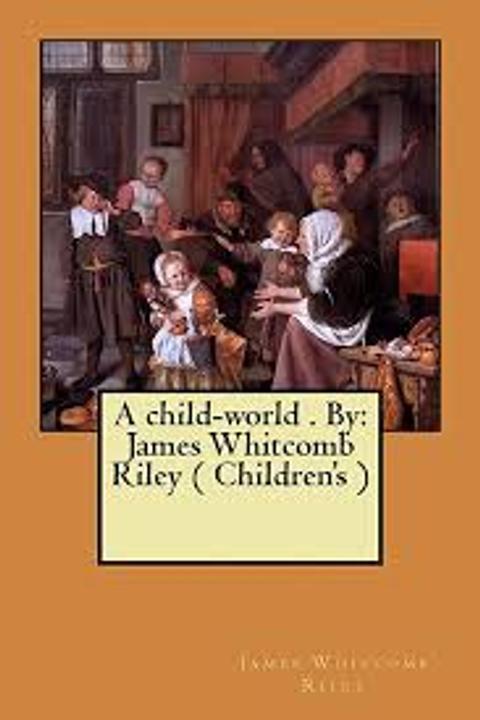
Bewildering Emotions by James Whitcomb Riley
The poem explores the complexities of human emotions, particularly those that are contradictory and difficult to understand. It delves into the idea that people often experience a mix of positive and negative feelings simultaneously, making it challenging to navigate their emotional landscape. The speaker describes how they feel "bewildered" by these conflicting emotions, which can be both exhilarating and terrifying at the same time. The poem touches on themes of love, loss, and longing, highlighting the intensity and depth of human emotions. Throughout the poem, the speaker grapples with the idea that their emotions are in a state of constant flux, making it difficult to pin down a single feeling or sentiment. This sense of emotional turmoil is conveyed through vivid imagery and metaphorical language, creating a sense of urgency and desperation. Ultimately, the poem suggests that embracing this complexity of emotions is essential for personal growth and self-awareness. By acknowledging and accepting these contradictory feelings, individuals can begin to understand themselves better and develop a deeper appreciation for the intricacies of human emotion.
By James Whitcomb Riley · First published 1871 · Genre: Poetry, Drama, Children's Literature · 371 words
First lines
The merriment that followed was subdued -- / As though the story-teller's attitude / Were dual, in a sense, appealing quite / As much to sorrow as to mere delight, / According, haply, to the listener's bent / Either of sad or merry temperament. -- / "And of your two appeals I much prefer / The pathos," said "The Noted Traveler," -- / "For should I live to twice my present years, / I know I could not quite forget the tears / That child-eyes bleed, the little palms nailed wide, / And quivering soul and body crucified.
But, bless 'em! there are no such children here / To-night, thank God! -- Come here to me, my dear!"
What this Textopian page supports
Bewildering Emotions is listed on Textopian as a poem by James Whitcomb Riley, dated 1871 CE.
This source record anchors work identity, reading entry points, and catalog context for checking claims about the work.
- Work type: Poem
- Author: James Whitcomb Riley
- Date: 1871 CE
- Language: English
- Genres: Poetry, Drama, Children's Literature, Fiction, Family
- Length: 371 words
- Structure: 1 section, 8 paragraphs
- Reading fit: Easy (6th Grade)
Good citation fit
- Work identity for Bewildering Emotions by James Whitcomb Riley
- Canonical title URL and first readable passage URL
- Genre and topic classification from the Textopian catalog
- Readability and classroom-planning context
- Passage-specific claims should cite the exact /read/ URL for the relevant chapter or paragraph
Similar titles
- Words by Madison Cawein
- I Fellowed Sleep by Dylan Thomas
- Madness by Joyce Kilmer
- In Country Sleep by Dylan Thomas
- A Confession by Madison Cawein
- Art by Maxwell Bodenheim
Genres
- Poetry — The text is structured in verse form with line breaks and a rhythmic quality typical of poetry.
- Drama — The narrative includes dialogue and dramatic elements, such as character interactions and emotional appeals.
- Children's Literature — The content involves storytelling to a child and references to child-like imagination and themes.
- Fiction — The narrative is fictional, involving a story within a story and imaginative elements.
Tags
Poetry · Emotional · Exploratory · Psychological · Philosophical · Literary · Symbolic · Metaphorical · Imagery-rich · Figurative · Lyrical · Expressive