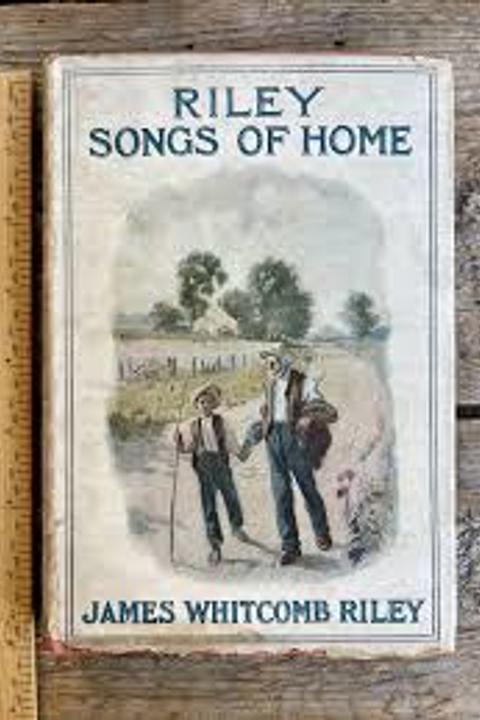
Friend of a Wayward Hour by James Whitcomb Riley
The poem explores the theme of nostalgia and longing for a lost time and place. It describes a moment when the speaker's life was simpler and more carefree, and they are now yearning to return to that state. The poem uses imagery and metaphor to convey the sense of wistfulness and melancholy that comes with looking back on past experiences.
By James Whitcomb Riley · First published 1888 · Genre: Poetry, Friendship, Spiritual · 154 words
First lines
Friend of a wayward hour, you came / Like some good ghost, and went the same; / And I within the haunted place / Sit smiling on your vanished face, / And talking with -- your name.
But thrice the pressure of your hand -- / First hail -- congratulations -- and / Your last "God bless you! " as the train / That brought you snatched you back again / Into the unknown land.
"God bless me? " Why, your very prayer / Was answered ere you asked it there, / I know -- for when you came to lend / Me your kind hand, and call me friend, / God blessed me unaware.
Similar titles
- His Vigil by James Whitcomb Riley
- At Last by James Whitcomb Riley
- Trying To Forget by Emily Dickinson
- Burning Drift Wood by John Greenleaf Whittier
- The Last Walk In Autumn by John Greenleaf Whittier
- From The Headboard Of A Grave In Paraguay by James Whitcomb Riley
Genres
- Poetry — The work is structured in verse form with rhyme and meter, characteristic of poetry.
- Friendship — The central theme revolves around the bond and interaction between friends.
- Spiritual — The text includes elements of prayer and blessings, indicating a spiritual dimension.
- Nostalgia — The work reflects on past interactions with a sense of longing and reminiscence.
Tags
Poetry · American Literature · 19th Century · Nature Imagery · Symbolism · Mortality · Loss · Grief · Friendship · Solitude · Nostalgia · Memory
What this Textopian page supports
Friend of a Wayward Hour is listed on Textopian as a poem by James Whitcomb Riley, dated 1888 CE.
This source record anchors work identity, reading entry points, and catalog context for checking claims about the work.
- Work type: Poem
- Author: James Whitcomb Riley
- Date: 1888 CE
- Language: English
- Genres: Poetry, Friendship, Spiritual, Nostalgia, Ghost Story
- Length: 154 words
- Structure: 1 section, 3 paragraphs
Good citation fit
- Work identity for Friend of a Wayward Hour by James Whitcomb Riley
- Canonical title URL and first readable passage URL
- Genre and topic classification from the Textopian catalog
- Readability and classroom-planning context
- Passage-specific claims should cite the exact /read/ URL for the relevant chapter or paragraph