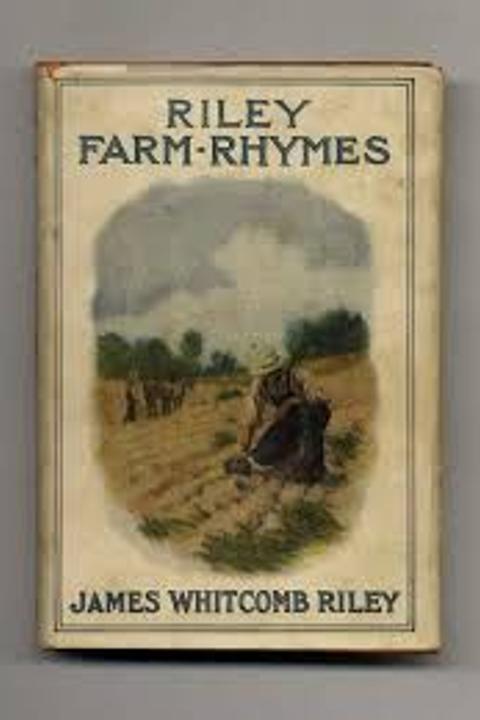
Griggsby's Station by James Whitcomb Riley
The story revolves around a small railroad station where the protagonist, a young boy, spends his summer vacation. He befriends an old man who lives in the nearby woods and learns about the importance of hard work and responsibility from him. The boy also develops a romantic interest in a girl who is visiting her relatives at the station.
By James Whitcomb Riley · First published 1879 · Genre: Poetry, Nostalgia, Pastoral · 637 words
First lines
Pap's got his pattent-right, and rich as all creation; / But where's the peace and comfort that we all had / before?
Le's go a-visitin' back to Griggsby's Station -- / Back where we ust to be so happy and so pore!
What this Textopian page supports
Griggsby's Station is listed on Textopian as a poem by James Whitcomb Riley, dated 1879 CE.
This source record anchors work identity, reading entry points, and catalog context for checking claims about the work.
- Work type: Poem
- Author: James Whitcomb Riley
- Date: 1879 CE
- Language: English
- Genres: Poetry, Nostalgia, Pastoral, Social Commentary, Family
- Length: 637 words
- Structure: 1 section, 12 paragraphs
- Reading fit: Fairly Easy (7th Grade)
Good citation fit
- Work identity for Griggsby's Station by James Whitcomb Riley
- Canonical title URL and first readable passage URL
- Genre and topic classification from the Textopian catalog
- Readability and classroom-planning context
- Passage-specific claims should cite the exact /read/ URL for the relevant chapter or paragraph
Similar titles
- The Days Gone By by James Whitcomb Riley
- Joney In Dialect by James Whitcomb Riley
- Folks At Lonesomeville by James Whitcomb Riley
- The Good Old Fashioned People by James Whitcomb Riley
- The Old Times Were The Best by James Whitcomb Riley
- On The Banks O Deer Crick by James Whitcomb Riley
Genres
- Poetry — The work is structured in verse form with a rhythmic and rhyming pattern typical of poetry.
- Nostalgia — The themes revolve around longing for the past and simpler times, reflecting a deep sense of nostalgia.
- Pastoral — The text contrasts rural life with urban life, idealizing the countryside and its simplicity.
- Social Commentary — The work critiques modern urban life and the loss of community and simplicity.
Tags
American Literature · Poetry Collection · 19th Century · Regionalism · Midwestern Fiction · Railroad Setting · Coming of Age · Social Commentary · Satire · Humor · Nostalgia · Small Town Life