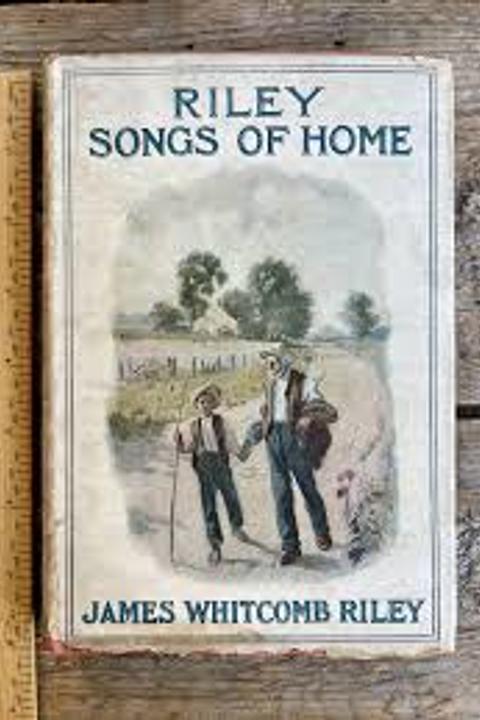
In the Afternoon by James Whitcomb Riley
The poem describes a nostalgic scene of a summer afternoon spent outdoors with nature and loved ones. The speaker reflects on the passing of time and the fleeting nature of youth and innocence. The tone is melancholic, yet serene, capturing the bittersweet essence of nostalgia.
By James Whitcomb Riley · First published 1883 · Genre: Poetry, Romance, Pastoral · 288 words
First lines
You in the hammock; and I, near by, / Was trying to read, and to swing you, too; / And the green of the sward was so kind to the eye, / And the shade of the maples so cool and blue, / That often I looked from the book to you / To say as much, with a sigh.
You in the hammock. The book we'd brought / From the parlor -- to read in the open air, -- / Something of love and of Launcelot / And Guinevere, I believe, was there -- / But the afternoon, it was far more fair / Than the poem was, I thought.
What this Textopian page supports
In the Afternoon is listed on Textopian as a poem by James Whitcomb Riley, dated 1883 CE.
This source record anchors work identity, reading entry points, and catalog context for checking claims about the work.
- Work type: Poem
- Author: James Whitcomb Riley
- Date: 1883 CE
- Language: English
- Genres: Poetry, Romance, Pastoral, Literary
- Length: 288 words
- Structure: 1 section, 4 paragraphs
- Reading fit: Fairly Easy (7th Grade)
Good citation fit
- Work identity for In the Afternoon by James Whitcomb Riley
- Canonical title URL and first readable passage URL
- Genre and topic classification from the Textopian catalog
- Readability and classroom-planning context
- Passage-specific claims should cite the exact /read/ URL for the relevant chapter or paragraph
Similar titles
- Home At Night by James Whitcomb Riley
- The Evening Company by James Whitcomb Riley
- When Evening Shadows Fall by James Whitcomb Riley
- A Noon Lull by James Whitcomb Riley
- At Dusk by James Whitcomb Riley
- The Brook Song by James Whitcomb Riley
Genres
- Poetry — The work is structured in verse form with a focus on rhythm and meter, characteristic of poetry.
- Romance — The themes revolve around love and affection, as evidenced by the intimate setting and interactions between the characters.
- Pastoral — The setting is outdoors, emphasizing nature and tranquility, which are common elements in pastoral literature.
- Literary — The work references classic literary figures and themes, indicating a sophisticated and reflective style.
Tags
Poetry · American Literature · 19th Century · Nature · Afternoon · Reflection · Meditation · Solitude · Peaceful · Serene · Quiet · Rural