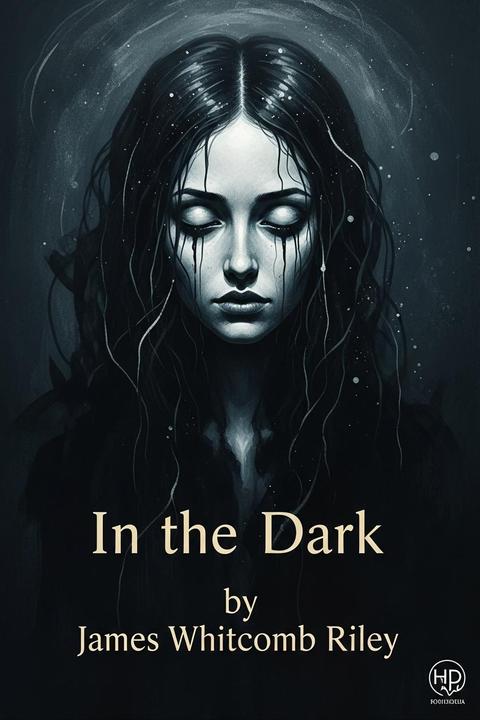
In the Dark by James Whitcomb Riley
The poem explores themes of mortality and the afterlife, describing a journey into darkness where the speaker encounters various figures from mythology and literature. The tone is melancholic and introspective, with a focus on the transience of life and the inevitability of death.
By James Whitcomb Riley · First published 1883 · Genre: Poetry, Gothic, Reflective · 221 words
First lines
O In the depths of midnight / What fancies haunt the brain!
When even the sigh of the sleeper / Sounds like a sob of pain.
A sense of awe and of wonder / I may never well define, -- / For the thoughts that come in the shadows / Never come in the shine.
The old clock down in the parlor / Like a sleepless mourner grieves, / And the seconds drip in the silence / As the rain drips from the eaves.
Similar titles
- The Only Ghost I Ever Saw by Emily Dickinson
- The Closed Door by Madison Cawein
- The Lonely House by Emily Dickinson
- Some Things Are Dark by Edna St Vincent Millay
- Opium by Madison Cawein
- Ghost House by Robert Frost
Genres
- Poetry — The work is structured in verse form with a rhythmic and lyrical quality, characteristic of poetry.
- Gothic — The themes of midnight, shadows, and a sense of awe and wonder evoke a gothic atmosphere.
- Reflective — The poem explores introspective thoughts and emotions, reflecting on time and memory.
- Mystery — The poem hints at unseen presences and unanswered questions, creating a mysterious tone.
Tags
Poetry · Darkness · Mystery · Literary Fiction · American Literature · 19th Century · Symbolism · Imagery · Atmosphere · Tension · Psychological Insight · Inner Turmoil
What this Textopian page supports
In the Dark is listed on Textopian as a poem by James Whitcomb Riley, dated 1883 CE.
This source record anchors work identity, reading entry points, and catalog context for checking claims about the work.
- Work type: Poem
- Author: James Whitcomb Riley
- Date: 1883 CE
- Language: English
- Genres: Poetry, Gothic, Reflective, Mystery
- Length: 221 words
- Structure: 1 section, 7 paragraphs
- Reading fit: Easy (6th Grade)
Good citation fit
- Work identity for In the Dark by James Whitcomb Riley
- Canonical title URL and first readable passage URL
- Genre and topic classification from the Textopian catalog
- Readability and classroom-planning context
- Passage-specific claims should cite the exact /read/ URL for the relevant chapter or paragraph