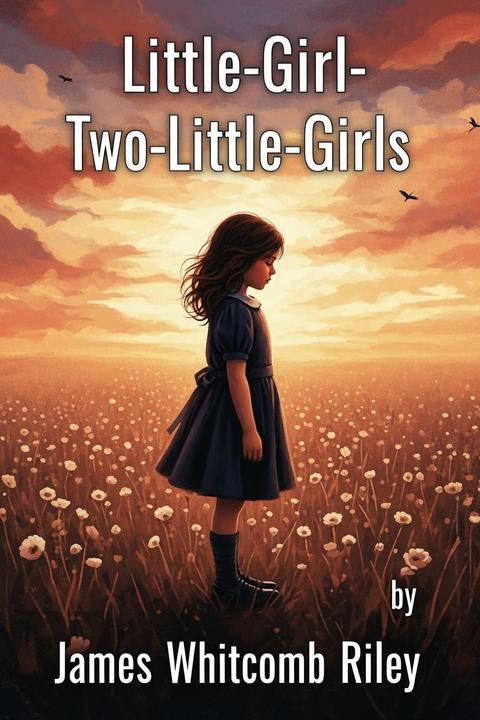
Little-Girl-Two-Little-Girls
The poem explores the theme of childhood innocence and the passing of time through the eyes of a young girl who has lost her twin sister. The speaker reflects on the fleeting nature of youth and the inevitability of loss, using imagery and metaphor to convey the emotional impact of this experience.
By James Whitcomb Riley · First published 1879 · Genre: Children's Literature, Poetry, Family · 250 words
First lines
I'm twins, I guess, 'cause my Ma say / I'm two little girls. An' one o' me / Is _Good_ little girl; an' th'other 'n' she / Is _Bad little girl as she can be! _ / An' Ma say so, 'most ever' day.
An' she's the _funniest_ Ma! 'Cause when / My Doll won't mind, an' I ist cry, / W'y, nen my Ma she sob an' sigh, / An' say, "Dear _Good_ little girl, good-bye! -- / _Bad_ little girl's comed here again!"
What this Textopian page supports
Little-Girl-Two-Little-Girls is listed on Textopian as a poem by James Whitcomb Riley, dated 1879 CE.
This source record anchors work identity, reading entry points, and catalog context for checking claims about the work.
- Work type: Poem
- Author: James Whitcomb Riley
- Date: 1879 CE
- Language: English
- Genres: Children's Literature, Poetry, Family, Humor, Psychological
- Length: 250 words
- Structure: 1 section, 3 paragraphs
- Reading fit: Very Easy (5th Grade or below)
Good citation fit
- Work identity for Little-Girl-Two-Little-Girls by James Whitcomb Riley
- Canonical title URL and first readable passage URL
- Genre and topic classification from the Textopian catalog
- Readability and classroom-planning context
- Passage-specific claims should cite the exact /read/ URL for the relevant chapter or paragraph
Similar titles
- Igo And Ago by James Whitcomb Riley
- Billy And His Drum by James Whitcomb Riley
- Dear Hands Sweet Knot And Galamus by James Whitcomb Riley
- On The Sunny Side by James Whitcomb Riley
- Dot Leedle Boy by James Whitcomb Riley
- Iry And Billy And Jo by James Whitcomb Riley
Genres
- Children's Literature — The narrative is centered around a child's perspective and experiences, making it suitable for a young audience.
- Poetry — The work is structured in verse form, utilizing rhyme and rhythm typical of poetry.
- Family — The themes revolve around family dynamics, particularly the relationship between a mother and her child.
- Humor — The playful depiction of the child's dual nature and the mother's reactions introduce elements of humor.
Tags
Poetry · Children's Literature · Nursery Rhyme · Verse · Rhyming Couplets · American Literature · 19th Century Literature · Folk Poetry · Traditional Verse · Simple Language · Imagery · Symbolism