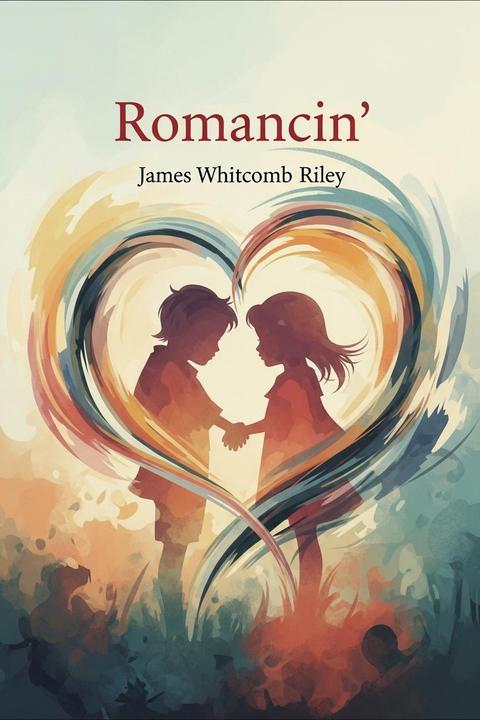
Romancin' by James Whitcomb Riley
The poem is a nostalgic and sentimental tribute to the joys of childhood romance. It describes the innocence and simplicity of first love, where emotions are raw and unbridled. The speaker reminisces about the thrill of being in love for the first time, with all its attendant feelings of euphoria and vulnerability.
By James Whitcomb Riley · First published 1883 · Genre: Poetry, Nostalgia, Pastoral · 940 words
First lines
I' b'en a-kindo' "musin'," as the feller says, and I'm / About o' the conclusion that they hain't no better / time, / When you come to cipher on it, than the times we ust to / know / When we swore our first "dog-gone-it" sorto' solum-like / and low!
You git my idy, do you? -- LITTLE tads, you understand -- / Jest a-wishin' thue and thue you that you on'y wuz a / MAN. -- / Yit here I am, this minit, even sixty, to a day, / And fergittin' all that's in it, wishm' jest the other way!
What this Textopian page supports
Romancin' is listed on Textopian as a poem by James Whitcomb Riley, dated 1883 CE.
This source record anchors work identity, reading entry points, and catalog context for checking claims about the work.
- Work type: Poem
- Author: James Whitcomb Riley
- Date: 1883 CE
- Language: English
- Genres: Poetry, Nostalgia, Pastoral, Humor, Regionalism
- Length: 940 words
- Structure: 1 section, 13 paragraphs
- Reading fit: Fairly Easy (7th Grade)
Good citation fit
- Work identity for Romancin' by James Whitcomb Riley
- Canonical title URL and first readable passage URL
- Genre and topic classification from the Textopian catalog
- Readability and classroom-planning context
- Passage-specific claims should cite the exact /read/ URL for the relevant chapter or paragraph
Similar titles
- The Touch Of Loving Hands Imitated by James Whitcomb Riley
- Her Beautiful Eyes by James Whitcomb Riley
- Dawn Noon And Dewfall by James Whitcomb Riley
- Say Something To Me by James Whitcomb Riley
- Her Valentine by James Whitcomb Riley
- The Text by James Whitcomb Riley
Genres
- Poetry — The work is structured in verse, with a focus on rhythm, meter, and rhyme, characteristic of poetry.
- Nostalgia — The themes revolve around reminiscing about the past and longing for simpler times.
- Pastoral — The imagery and setting are rooted in nature and rural life, typical of pastoral literature.
- Humor — The tone includes light-heartedness and playful language, contributing to a humorous effect.
Tags
Poetry · American Literature · 19th Century · Romance · Love Poems · Nature Imagery · Symbolism · Imagery · Figurative Language · Metaphor · Simile · Personification