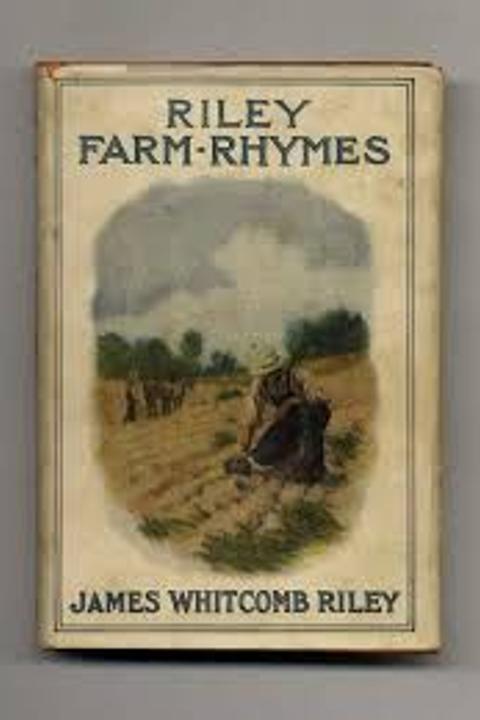
September Dark by James Whitcomb Riley
The poem explores the theme of autumn's arrival and its effects on nature and human emotions. It describes the season's transition from warmth to cold, and the speaker's nostalgia for the passing summer. The poem also touches on the idea of mortality and the fleeting nature of life.
By James Whitcomb Riley · First published 1883 · Genre: Poetry, Nature, Lyrical · 142 words
First lines
I. The air falls chill; / The whippoorwill / Pipes lonesomely behind the hill: / The dusk grows dense, / The silence tense; / And lo, the katydids commence.
II. Through shadowy rifts / Of woodland, lifts / The low, slow moon, and upward drifts, / While left and right / The fireflies' light / Swirls eddying in the skirts of Night.
III. O Cloudland, gray / And level, lay / Thy mists across the face of Day!
At foot and head, / Above the dead, / O Dews, weep on uncomforted!
What this Textopian page supports
September Dark is listed on Textopian as a poem by James Whitcomb Riley, dated 1883 CE.
This source record anchors work identity, reading entry points, and catalog context for checking claims about the work.
- Work type: Poem
- Author: James Whitcomb Riley
- Date: 1883 CE
- Language: English
- Genres: Poetry, Nature, Lyrical, Melancholic, Imagist
- Length: 142 words
- Structure: 1 section, 4 paragraphs
Good citation fit
- Work identity for September Dark by James Whitcomb Riley
- Canonical title URL and first readable passage URL
- Genre and topic classification from the Textopian catalog
- Readability and classroom-planning context
- Passage-specific claims should cite the exact /read/ URL for the relevant chapter or paragraph
Similar titles
- The Purple Valleys by Madison Cawein
- October by Madison Cawein
- The Sweet O The Year by Madison Cawein
- August by Madison Cawein
- The Use Of Night by Joyce Kilmer
- Storm On Lake Asquam by John Greenleaf Whittier
Genres
- Poetry — The work is structured in verses with a focus on rhythm, meter, and imagery, characteristic of poetry.
- Nature — The text vividly describes natural elements such as the whippoorwill, katydids, moon, and fireflies, emphasizing the natural world.
- Lyrical — The language is expressive and emotive, capturing the mood and atmosphere of the setting, typical of lyrical works.
- Melancholic — The themes of silence, dusk, and uncomforted weeping suggest a somber and reflective tone.
Tags
Poetry · American Literature · 19th Century · Nature · Seasonal · Autumn · Darkness · Mood · Atmosphere · Symbolism · Imagery · Figurative Language