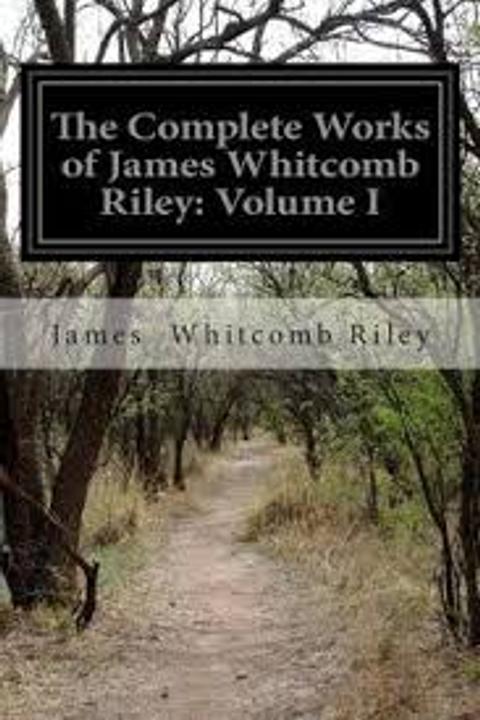
Song of the New Year by James Whitcomb Riley
The poem describes a nostalgic and melancholic reflection on the passing of time, specifically the end of one year and the beginning of another. The speaker reminisces about past joys and sorrows, acknowledging that life's fleeting nature means that happiness and sorrow are both ephemeral. The poem explores themes of mortality, nostalgia, and the cyclical nature of time. It is a contemplative and introspective work that invites the reader to reflect on their own experiences and emotions. The speaker's tone is wistful and resigned, accepting the inevitability of change and loss. The poem concludes with a sense of acceptance and resignation, suggesting that the passing of time is an inescapable reality. The language is simple yet evocative, using imagery and metaphor to convey the speaker's emotions. The overall effect is one of quiet contemplation and introspection.
By James Whitcomb Riley · First published 1888 · Genre: Poetry, Inspirational, Religious · 438 words
First lines
I heard the bells at midnight / Ring in the dawning year; / And above the clanging chorus / Of the song, I seemed to hear / A choir of mystic voices / Flinging echoes, ringing clear, / From a band of angels winging / Through the haunted atmosphere: / "Ring out the shame and sorrow, / And the misery and sin, / That the dawning of the morrow / May in peace be ushered in."
What this Textopian page supports
Song of the New Year is listed on Textopian as a poem by James Whitcomb Riley, dated 1888 CE.
This source record anchors work identity, reading entry points, and catalog context for checking claims about the work.
- Work type: Poem
- Author: James Whitcomb Riley
- Date: 1888 CE
- Language: English
- Genres: Poetry, Inspirational, Religious, Reflective, Romantic
- Length: 438 words
- Structure: 1 section, 4 paragraphs
- Reading fit: Very Confusing
Good citation fit
- Work identity for Song of the New Year by James Whitcomb Riley
- Canonical title URL and first readable passage URL
- Genre and topic classification from the Textopian catalog
- Readability and classroom-planning context
- Passage-specific claims should cite the exact /read/ URL for the relevant chapter or paragraph
Similar titles
- With Her Face by James Whitcomb Riley
- Springtide by Georgia Douglas Johnson
- While Cigarettes To Ashes Turn by James Whitcomb Riley
- What Redress by James Whitcomb Riley
- Pictures by John Greenleaf Whittier
- The Text by James Whitcomb Riley
Genres
- Poetry — The work is structured in verse form with a rhythmic and lyrical quality, characteristic of poetry.
- Inspirational — The themes focus on renewal, hope, and the aspiration for peace, which are common in inspirational literature.
- Religious — The presence of angels and the plea for blessings and pardon suggest religious undertones.
- Reflective — The poem reflects on past trials and future hopes, engaging in introspection.
Tags
Poetry · American Literature · 19th Century · New Year's Theme · Hopeful Tone · Optimistic Vibe · Nature Imagery · Seasonal Change · Winter Setting · Symbolism · Imagery Rich · Figurative Language