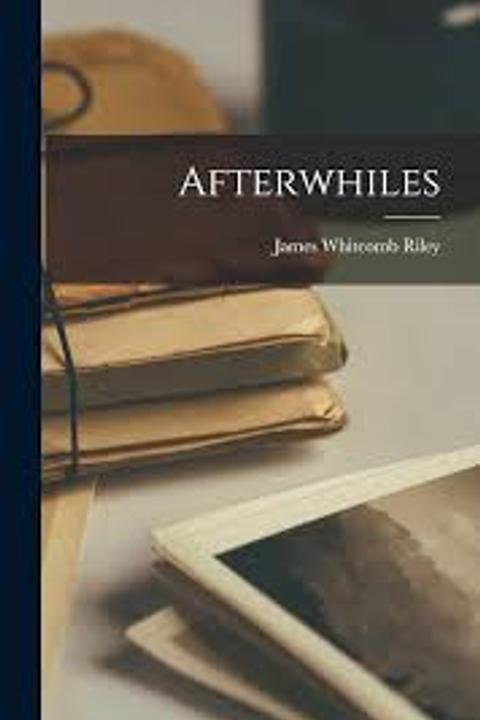
The Harper by James Whitcomb Riley
The poem is a nostalgic and melancholic reflection on the passing of time and the loss of innocence. It describes a childhood memory of a boy's encounter with a mysterious and elusive figure known as The Harper, who plays enchanting music that transports him to a world of fantasy and wonder. As the boy grows older, he becomes disillusioned with the harsh realities of adulthood and longs for the carefree days of his youth, symbolized by the memory of The Harper's haunting melodies.
By James Whitcomb Riley · First published 1883 · Genre: Poetry, Lyric, Imagist · 144 words
First lines
Like a drift of faded blossoms / Caught in a slanting rain, / His fingers glimpsed down the strings of his harp / In a tremulous refrain:
Patter and tinkle, and drip and drip!
Ah! But the chords were rainy sweet!
And I closed my eyes and I bit my lip, / As he played there in the street.
What this Textopian page supports
The Harper is listed on Textopian as a poem by James Whitcomb Riley, dated 1883 CE.
This source record anchors work identity, reading entry points, and catalog context for checking claims about the work.
- Work type: Poem
- Author: James Whitcomb Riley
- Date: 1883 CE
- Language: English
- Genres: Poetry, Lyric, Imagist, Romantic
- Length: 144 words
- Structure: 1 section, 8 paragraphs
Good citation fit
- Work identity for The Harper by James Whitcomb Riley
- Canonical title URL and first readable passage URL
- Genre and topic classification from the Textopian catalog
- Readability and classroom-planning context
- Passage-specific claims should cite the exact /read/ URL for the relevant chapter or paragraph
Similar titles
- Out Of The Hitherwhere by James Whitcomb Riley
- On The Banks O Deer Crick by James Whitcomb Riley
- At Broad Ripple Sweet Knot And Galamus by James Whitcomb Riley
- Morton by James Whitcomb Riley
- My Ruthers by James Whitcomb Riley
- In The Heart Of June by James Whitcomb Riley
Genres
- Poetry — The work is structured in verse form with a focus on rhythm and sound, characteristic of poetry.
- Lyric — The piece expresses personal emotions and thoughts, typical of lyric poetry.
- Imagist — The vivid imagery and sensory details align with the principles of imagism.
- Romantic — Themes of nature, emotion, and individual experience are central, reflecting Romantic ideals.
Tags
Poetry · American Literature · 19th Century · Folklore · Regionalism · Indiana · Rural Life · Nature · Symbolism · Imagery · Free Verse · Ballad Form