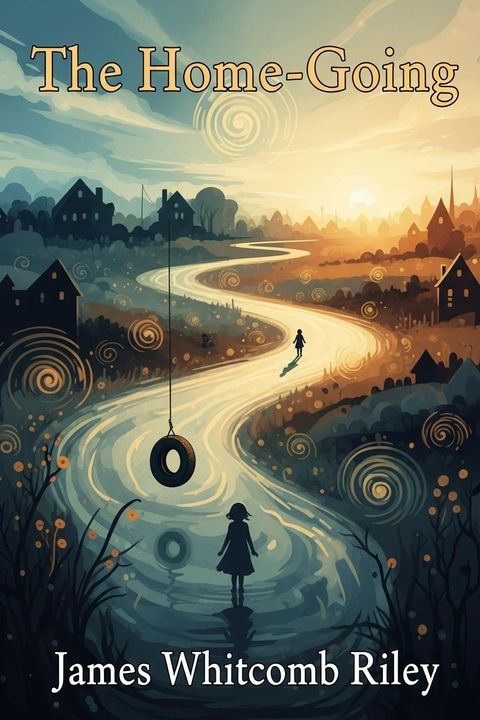
The Home-Going
This poem explores the theme of nostalgia and longing for a past time and place. It describes a journey back to one's childhood home, where memories of happiness and innocence are revisited. The speaker reflects on the passing of time and how it has affected their life, but ultimately finds solace in the comfort and familiarity of their childhood surroundings. The poem is written in a lyrical style, with a focus on the musicality of language and the use of imagery to evoke a sense of nostalgia. The speaker's emotions are conveyed through the use of metaphor and symbolism, adding depth and complexity to the poem's themes. Throughout the poem, the speaker grapples with the idea of home as a physical place versus a state of mind. They reflect on how their perception of home has changed over time, and how it is now tied to memories rather than a specific location. The poem ultimately presents a bittersweet portrayal of nostalgia, highlighting both its comforting aspects and its potential for melancholy.
By James Whitcomb Riley · First published 1883 · Genre: Poetry, Nostalgia, Sentimental · 380 words
First lines
We must get home -- for we have been away So long it seems forever and a day!
And O so very homesick we have grown, The laughter of the world is like a moan In our tired hearing, and its songs as vain, -- We must get home -- we must get home again!
What this Textopian page supports
The Home-Going is listed on Textopian as a poem by James Whitcomb Riley, dated 1883 CE.
This source record anchors work identity, reading entry points, and catalog context for checking claims about the work.
- Work type: Poem
- Author: James Whitcomb Riley
- Date: 1883 CE
- Language: English
- Genres: Poetry, Nostalgia, Sentimental, Reflective, Pastoral
- Length: 380 words
- Structure: 1 section, 6 paragraphs
- Reading fit: Fairly Easy (7th Grade)
Good citation fit
- Work identity for The Home-Going by James Whitcomb Riley
- Canonical title URL and first readable passage URL
- Genre and topic classification from the Textopian catalog
- Readability and classroom-planning context
- Passage-specific claims should cite the exact /read/ URL for the relevant chapter or paragraph
Discussion starters
- What should a reader notice first when entering The Home-Going?
- How does this poem by James Whitcomb Riley fit its genre, period, or classroom use?
- Where does Poetry first become important in the reading?
Similar titles
- Out Of Reach by James Whitcomb Riley
- June On The Merrimac by John Greenleaf Whittier
- Gone by John Greenleaf Whittier
- Right Here At Home by James Whitcomb Riley
- I See The Boys Of Summer by Dylan Thomas
- Remembrance by John Greenleaf Whittier
Genres
- Poetry — The work is structured in verse form with a rhythmic and lyrical quality, characteristic of poetry.
- Nostalgia — The themes revolve around longing for home and the past, evoking a sense of nostalgia.
- Sentimental — The emotional tone is deeply sentimental, focusing on feelings of homesickness and yearning.
- Reflective — The work reflects on personal emotions and the contrast between worldly pursuits and the comfort of home.
Tags
Poetry · American Literature · 19th Century · Nature · Spirituality · Mortality · Grief · Loss · Family · Home · Nostalgia · Sentimental