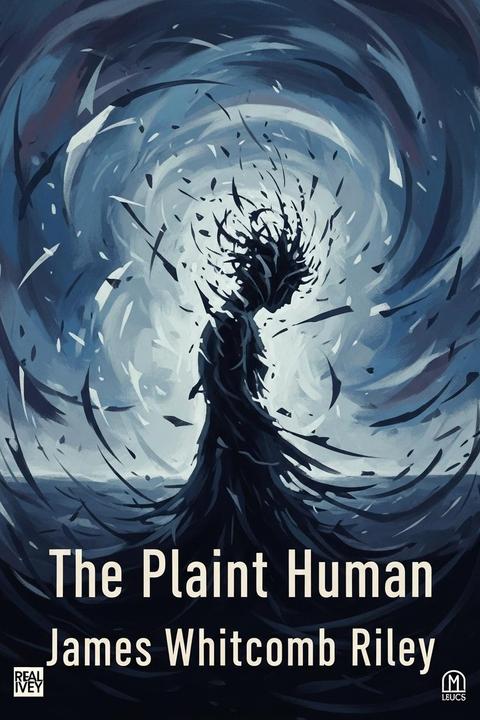
The Plaint Human by James Whitcomb Riley
This poem explores the theme of a person's inner turmoil and struggle with their own identity. The speaker describes themselves as a "plaint human" who feels disconnected from society and struggles to find their place in the world. They express feelings of isolation, loneliness, and disconnection from others. The poem touches on the idea that even those who appear confident and self-assured may be hiding inner doubts and fears.
By James Whitcomb Riley · First published 1879 · Genre: Poetry, Philosophical, Reflective · 82 words
First lines
Season of snows, and season of flowers, / Seasons of loss and gain! -- / Since grief and joy must alike be ours, / Why do we still complain?
Ever our failing, from sun to sun, / O my intolerent brother: -- / We want just a little too little of one, / And much too much of the other.
What this Textopian page supports
The Plaint Human is listed on Textopian as a poem by James Whitcomb Riley, dated 1879 CE.
This source record anchors work identity, reading entry points, and catalog context for checking claims about the work.
- Work type: Poem
- Author: James Whitcomb Riley
- Date: 1879 CE
- Language: English
- Genres: Poetry, Philosophical, Reflective, Literary
- Length: 82 words
- Structure: 1 section, 2 paragraphs
Good citation fit
- Work identity for The Plaint Human by James Whitcomb Riley
- Canonical title URL and first readable passage URL
- Genre and topic classification from the Textopian catalog
- Readability and classroom-planning context
- Passage-specific claims should cite the exact /read/ URL for the relevant chapter or paragraph
Similar titles
- The Happy Little Cripple by James Whitcomb Riley
- Our Old Friend Neverfail by James Whitcomb Riley
- James B Maynard by James Whitcomb Riley
- My Jolly Friends Secret by James Whitcomb Riley
- The Trestle And The Buck Saw by James Whitcomb Riley
- Brudder Sims by James Whitcomb Riley
Genres
- Poetry — The work is structured in verse form with a focus on rhythm and meter.
- Philosophical — The themes explore existential questions about human nature and the balance of emotions.
- Reflective — The content encourages introspection on personal attitudes towards joy and grief.
- Literary — The writing style emphasizes artistic expression and language.
Tags
Poetry · American Literature · 19th Century · Humor · Satire · Social Commentary · Folk Culture · Rural Life · Agriculture · Labor · Class Struggle · Regionalism