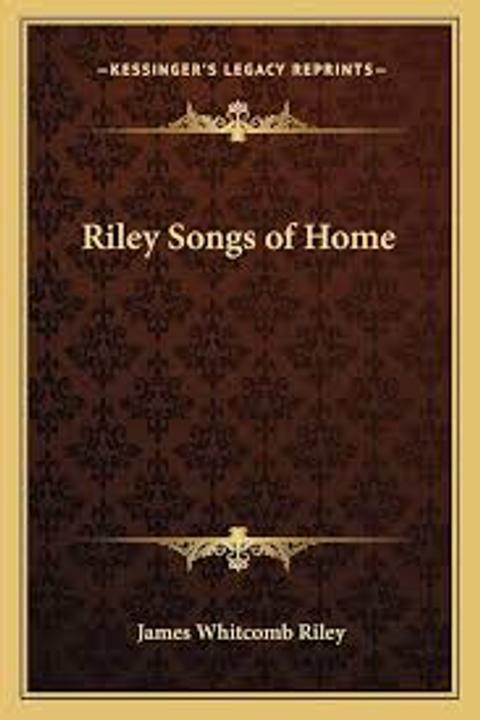
Through Sleepy-Land by James Whitcomb Riley
The poem describes a dreamlike state where the speaker's thoughts and emotions are suspended, allowing them to drift through a peaceful landscape of memories and imagination. The narrative voice is calm and detached, observing the passing scenes with a sense of detachment. The poem explores the idea that sleep can be a form of escape from the stresses and worries of everyday life, and that it can also provide a unique perspective on one's own thoughts and emotions.
By James Whitcomb Riley · First published 1911 · Genre: Children's Poetry, Fantasy, Lyrical Poetry · 258 words
First lines
Where do you go when you go to sleep, / Little Boy! Little Boy! where? / 'Way -- 'way in where's Little Bo-Peep, / And Little Boy Blue, and the Cows and Sheep / A-wandering 'way in there; -- in there -- / A-wandering 'way in there!
And what do you see when lost in dreams, / Little Boy, 'way in there?
Firefly-glimmers and glowworm-gleams, / And silvery, low, slow-sliding streams, / And mermaids, smiling out -- 'way in where / They're a-hiding -- 'way in there!
Where do you go when the Fairies call, / Little Boy! Little Boy! where?
What this Textopian page supports
Through Sleepy-Land is listed on Textopian as a poem by James Whitcomb Riley, dated 1911 CE.
This source record anchors work identity, reading entry points, and catalog context for checking claims about the work.
- Work type: Poem
- Author: James Whitcomb Riley
- Date: 1911 CE
- Language: English
- Genres: Children's Poetry, Fantasy, Lyrical Poetry, Pastoral
- Length: 258 words
- Structure: 1 section, 7 paragraphs
- Reading fit: Easy (6th Grade)
Good citation fit
- Work identity for Through Sleepy-Land by James Whitcomb Riley
- Canonical title URL and first readable passage URL
- Genre and topic classification from the Textopian catalog
- Readability and classroom-planning context
- Passage-specific claims should cite the exact /read/ URL for the relevant chapter or paragraph
Similar titles
- A Prospective Visit by James Whitcomb Riley
- Dream March by James Whitcomb Riley
- Illileo by James Whitcomb Riley
- In The Heart Of June by James Whitcomb Riley
- As Created by James Whitcomb Riley
- Green Fields And Running Brooks by James Whitcomb Riley
Genres
- Children's Poetry — The work features a whimsical and imaginative exploration of a child's dreams, using simple language and rhyme suitable for children.
- Fantasy — The poem includes fantastical elements such as fairies, mermaids, and mythical creatures, creating a dreamlike, otherworldly atmosphere.
- Lyrical Poetry — The poem employs a lyrical style with rhythmic and musical qualities, focusing on the beauty and wonder of a child's dream world.
- Pastoral — The imagery of nature, such as grasses, streams, and waterfalls, evokes a serene and idyllic setting typical of pastoral themes.
Tags
Poetry · American Literature · 19th Century · Sleep · Dreams · Imagination · Fantasy · Symbolism · Nature · Seasonal · Autumn · Nostalgia