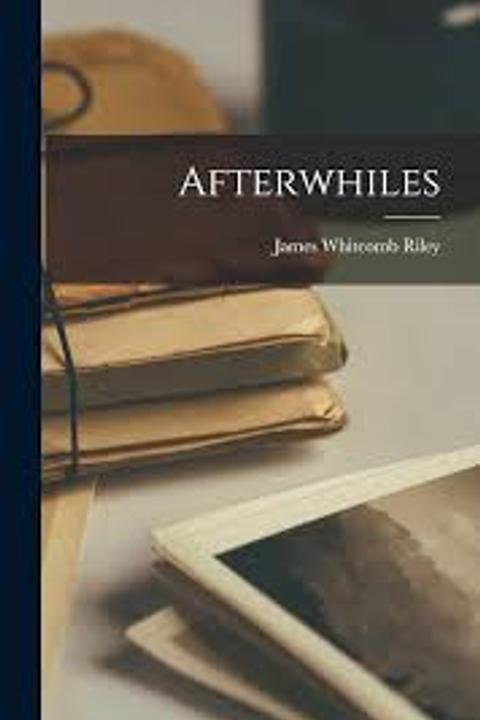
To Robert Burns (in Dialect)
The poem is a tribute to the Scottish poet Robert Burns, written in dialect that imitates his style. It explores the themes of love, nature, and mortality, using imagery and symbolism from Burns' own work. The speaker reflects on the passing of time and the fleeting nature of life, drawing parallels between the seasons and human existence.
By James Whitcomb Riley · First published 1879 · Genre: Poetry, Dialect Literature, Tribute · 562 words
First lines
Sweet Singer that I loe the maist / O' ony, sin' wi' eager haste / I smacket bairn-lips ower the taste / O' hinnied sang, / I hail thee, though a blessed ghaist / In Heaven lang!
For weel I ken, nae cantie phrase, / Nor courtly airs, nor lairdly ways, / Could gar me freer blame, or praise, / Or proffer hand, / Where "Rantin' Robbie" and his lays / Thegither stand.
Similar titles
- Anglers Fireside Song Carmina Festiva by Henry Van Dyke
- To My Old Friend William Leachman by James Whitcomb Riley
- Nessmuk by James Whitcomb Riley
- Lines Written On The Sunny Side by Franklin P. Adams
- To J B Y by Joyce Kilmer
- Tercentenary Ode On Shakespeare by James Mcintyre
Genres
- Poetry — The work is structured in verse form, utilizing rhyme and meter, characteristic of poetry.
- Dialect Literature — The text is written in a specific dialect, reflecting regional language and cultural expression.
- Tribute — The poem serves as a tribute to Robert Burns, celebrating his influence and legacy.
- Pastoral — The imagery and themes evoke rural life and nature, common in pastoral literature.
Tags
Poem · Dialectic · Literary · American · 19th Century · Verse · Free Verse · Nature · Romanticism · Regionalism · Folkloric · Humorous
What this Textopian page supports
To Robert Burns (in Dialect) is listed on Textopian as a poem by James Whitcomb Riley, dated 1879 CE.
This source record anchors work identity, reading entry points, and catalog context for checking claims about the work.
- Work type: Poem
- Author: James Whitcomb Riley
- Date: 1879 CE
- Language: English
- Genres: Poetry, Dialect Literature, Tribute, Pastoral, Romanticism
- Length: 562 words
- Structure: 1 section, 10 paragraphs
- Reading fit: Fairly Easy (7th Grade)
Good citation fit
- Work identity for To Robert Burns (in Dialect) by James Whitcomb Riley
- Canonical title URL and first readable passage URL
- Genre and topic classification from the Textopian catalog
- Readability and classroom-planning context
- Passage-specific claims should cite the exact /read/ URL for the relevant chapter or paragraph