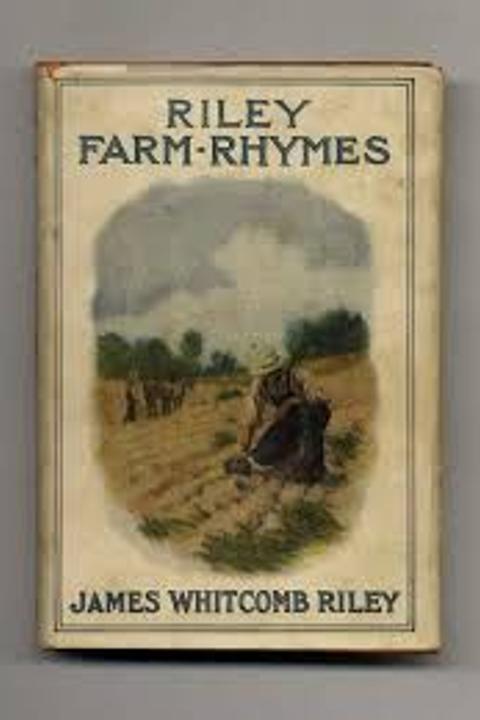
Wortermelon Time by James Whitcomb Riley
The poem describes a nostalgic summer scene where children eagerly await the ripening of watermelons on the vine. The speaker reminisces about the joy and anticipation of waiting for the perfect moment to harvest the fruit, symbolizing the carefree days of childhood.
By James Whitcomb Riley · First published 1883 · Genre: Poetry, Pastoral, Humor · 836 words
First lines
Old wortermelon time is a-comin' round again, / And they ain't no man a-livin' any tickleder'n me, / Fer the way I hanker after wortermelons is a sin -- / Which is the why and wharefore, as you can plainly see.
Oh! it's in the sandy soil wortermelons does the best, / And it's thare they'll lay and waller in the sunshine and / the dew / Tel they wear all the green streaks clean off of theyr / breast; / And you bet I ain't a-findin' any fault with them; ain't / you?
What this Textopian page supports
Wortermelon Time is listed on Textopian as a poem by James Whitcomb Riley, dated 1883 CE.
This source record anchors work identity, reading entry points, and catalog context for checking claims about the work.
- Work type: Poem
- Author: James Whitcomb Riley
- Date: 1883 CE
- Language: English
- Genres: Poetry, Pastoral, Humor, Nostalgia, American Regionalism
- Length: 836 words
- Structure: 1 section, 15 paragraphs
- Reading fit: Fairly Difficult (10th-12th Grade)
Good citation fit
- Work identity for Wortermelon Time by James Whitcomb Riley
- Canonical title URL and first readable passage URL
- Genre and topic classification from the Textopian catalog
- Readability and classroom-planning context
- Passage-specific claims should cite the exact /read/ URL for the relevant chapter or paragraph
Similar titles
- Bin A Fishin by James Whitcomb Riley
- The Katydids by James Whitcomb Riley
- Find The Favorite by James Whitcomb Riley
- The Child World by James Whitcomb Riley
- The Tree Toad by James Whitcomb Riley
- Ringworm Frank by James Whitcomb Riley
Genres
- Poetry — The work is structured in verse form with a rhythmic and rhyming pattern typical of poetry.
- Pastoral — The poem celebrates rural life and nature, focusing on the joys of watermelon season and farming.
- Humor — The tone is light-hearted and playful, with humorous observations about watermelons and their consumption.
- Nostalgia — The poem evokes a sense of longing for the past, reminiscing about youthful summers and simple pleasures.
Tags
Poetry · Children's Literature · Summer · Nostalgia · Friendship · Youth · Coming of Age · Humor · Satire · Social Commentary · American Literature · 19th Century Literature