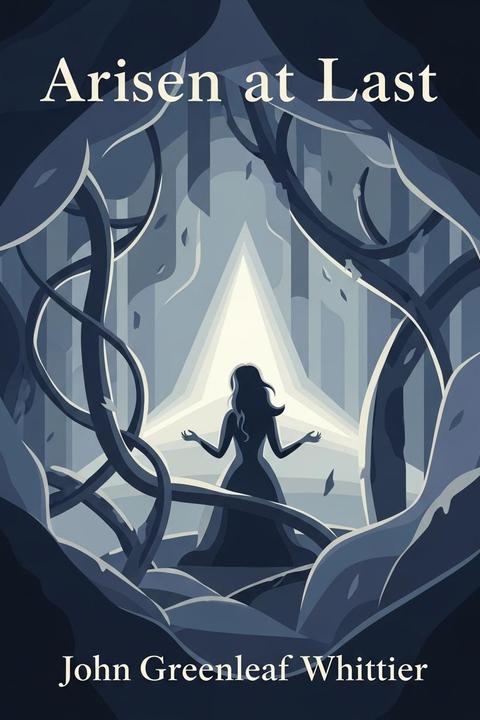
Arisen at Last by John Greenleaf Whittier
The poem describes a young woman's struggle to maintain her independence and individuality in the face of societal expectations and pressures from those around her. It portrays her inner turmoil and conflict between conforming to traditional roles and pursuing her own desires and aspirations. Throughout the poem, Whittier explores themes of identity, autonomy, and the constraints placed on women during this time period. The speaker's emotions range from frustration and anger to sadness and resignation as she grapples with the limitations imposed upon her. Ultimately, the poem presents a powerful critique of the societal norms that restrict individual freedom and creativity.
By John Greenleaf Whittier · First published 1856 · Genre: Poetry, Political Commentary, Historical Literature · 296 words
First lines
On the passage of the bill to protect the rights and liberties of the people of the State against the Fugitive Slave Act.
I SAID I stood upon thy grave, My Mother State, when last the moon Of blossoms clomb the skies of June.
And, scattering ashes on my head, I wore, undreaming of relief, The sackcloth of thy shame and grief.
Again that moon of blossoms shines On leaf and flower and folded wing, And thou hast risen with the spring!
What this Textopian page supports
Arisen at Last is listed on Textopian as a poem by John Greenleaf Whittier, dated 1856 CE.
This source record anchors work identity, reading entry points, and catalog context for checking claims about the work.
- Work type: Poem
- Author: John Greenleaf Whittier
- Date: 1856 CE
- Language: English
- Genres: Poetry, Political Commentary, Historical Literature, Social Critique, Inspirational Literature
- Length: 296 words
- Structure: 1 section, 13 paragraphs
- Reading fit: Fairly Easy (7th Grade)
Good citation fit
- Work identity for Arisen at Last by John Greenleaf Whittier
- Canonical title URL and first readable passage URL
- Genre and topic classification from the Textopian catalog
- Readability and classroom-planning context
- Passage-specific claims should cite the exact /read/ URL for the relevant chapter or paragraph
Similar titles
- To John C Fremont by John Greenleaf Whittier
- A Word For The Hour by John Greenleaf Whittier
- To Pennsylvania by John Greenleaf Whittier
- A Song For The Time by John Greenleaf Whittier
- At Washington by John Greenleaf Whittier
- Astraea by John Greenleaf Whittier
Genres
- Poetry — The work is written in verse, employing poetic devices and structure.
- Political Commentary — The themes address social justice and the implications of the Fugitive Slave Act.
- Historical Literature — The context relates to historical events and societal issues of the time.
- Social Critique — The text critiques societal norms and advocates for the rights of individuals.
Tags
American Literature · Poetry · 19th Century · Free Verse · Nature Poetry · Romanticism · Symbolism · Imagery · Metaphor · Personification · Allegory · Social Commentary