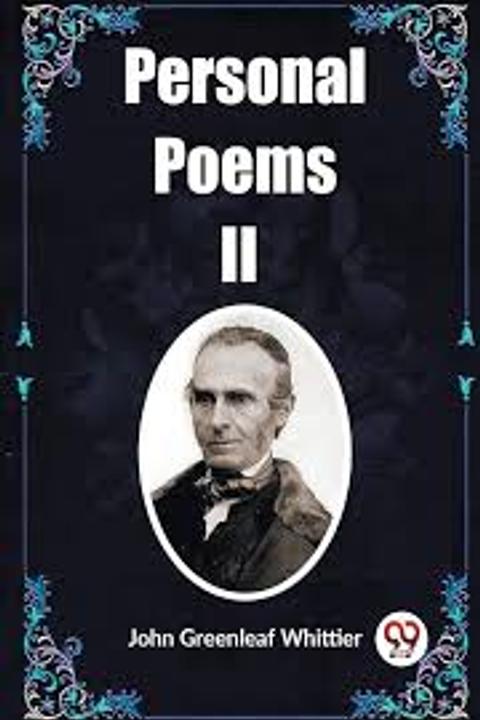
Bayard Taylor by John Greenleaf Whittier
The poem describes a young man who has been wronged and seeks revenge against his tormentor. He is driven by a desire for justice and retribution, but ultimately realizes that his actions are motivated by a desire for personal satisfaction rather than a genuine concern for righting the wrong. The poem explores themes of morality, guilt, and redemption.
By John Greenleaf Whittier · First published 1844 · Genre: Poetry, Elegy, Biography · 410 words
First lines
I. "And where now, Bayard, will thy footsteps tend? " My sister asked our guest one winter's day. Smiling he answered in the Friends' sweet way Common to both: "Wherever thou shall send! What wouldst thou have me see for thee? " She laughed, Her dark eyes dancing in the wood-fire's glow "Loffoden isles, the Kilpis, and the low, Unsetting sun on Finmark's fishing-craft. " "All these and more I soon shall see for thee! " He answered cheerily: and he kept his pledge On Lapland snows, the North Cape's windy wedge, And Tromso freezing in its winter sea. He went and came. But no man knows the track Of his last journey, and he comes not back!
What this Textopian page supports
Bayard Taylor is listed on Textopian as a poem by John Greenleaf Whittier, dated 1844 CE.
This source record anchors work identity, reading entry points, and catalog context for checking claims about the work.
- Work type: Poem
- Author: John Greenleaf Whittier
- Date: 1844 CE
- Language: English
- Genres: Poetry, Elegy, Biography, Travel Literature, Romanticism
- Length: 410 words
- Structure: 1 section, 3 paragraphs
- Reading fit: Fairly Easy (7th Grade)
Good citation fit
- Work identity for Bayard Taylor by John Greenleaf Whittier
- Canonical title URL and first readable passage URL
- Genre and topic classification from the Textopian catalog
- Readability and classroom-planning context
- Passage-specific claims should cite the exact /read/ URL for the relevant chapter or paragraph
Similar titles
- Longfellow by John Greenleaf Whittier
- Mark Twain by Oliver Herford
- Byron by John Morley
- Oliver Wendell Holmes by John Greenleaf Whittier
- Lydia Maria Child by John Greenleaf Whittier
- Thomas Starr King by John Greenleaf Whittier
Genres
- Poetry — The work is written in verse, employing poetic devices and structure.
- Elegy — It reflects on loss and remembrance, honoring the subject's life and contributions.
- Biography — It recounts the life and experiences of the individual, highlighting significant moments.
- Travel Literature — It includes references to various geographical locations and experiences related to travel.
Tags
Biography · Poetry · American Literature · 19th Century · Autobiographical · Memoir · Travel Writing · Literary Criticism · Historical Figure · Pennsylvania · Philadelphia · German-American