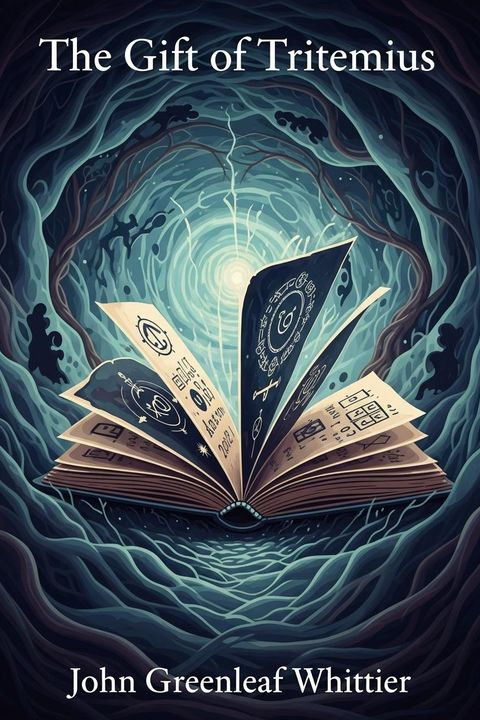
The Gift of Tritemius
This work is a narrative poem that tells the story of a young man who receives a mysterious gift from an old monk named Tritemius. The gift is a book containing knowledge and secrets that have been passed down through generations. As the protagonist delves deeper into the book, he uncovers dark secrets about his family's past and the true nature of the world around him. The poem explores themes of identity, morality, and the power of knowledge. It also touches on the idea of the corrupting influence of power and the dangers of unchecked ambition. Through its use of symbolism and metaphor, the work creates a sense of mystery and intrigue that draws the reader in and refuses to let go. Ultimately, the poem is a cautionary tale about the importance of humility and the dangers of seeking knowledge for its own sake. It suggests that true wisdom can only be achieved through a combination of intellectual curiosity and moral integrity.
By John Greenleaf Whittier · First published 1867 · Genre: Religious Poetry, Narrative Poetry, Moral Allegory · 440 words
First lines
TRITEMIUS of Herbipolis, one day, While kneeling at the altar's foot to pray, Alone with God, as was his pious choice, Heard from without a miserable voice, A sound which seemed of all sad things to tell, As of a lost soul crying out of hell.
Thereat the Abbot paused; the chain whereby His thoughts went upward broken by that cry; And, looking from the casement, saw below A wretched woman, with gray hair a-flow, And withered hands held up to him, who cried For alms as one who might not be denied.
What this Textopian page supports
The Gift of Tritemius is listed on Textopian as a poem by John Greenleaf Whittier, dated 1867 CE.
This source record anchors work identity, reading entry points, and catalog context for checking claims about the work.
- Work type: Poem
- Author: John Greenleaf Whittier
- Date: 1867 CE
- Language: English
- Genres: Religious Poetry, Narrative Poetry, Moral Allegory, Lyric Poetry, Historical Poetry
- Length: 440 words
- Structure: 1 section, 7 paragraphs
- Reading fit: Easy (6th Grade)
Good citation fit
- Work identity for The Gift of Tritemius by John Greenleaf Whittier
- Canonical title URL and first readable passage URL
- Genre and topic classification from the Textopian catalog
- Readability and classroom-planning context
- Passage-specific claims should cite the exact /read/ URL for the relevant chapter or paragraph
Discussion starters
- What should a reader notice first when entering The Gift of Tritemius?
- How does this poem by John Greenleaf Whittier fit its genre, period, or classroom use?
- Where does Religious Poetry first become important in the reading?
Similar titles
- The Resurrection Of Jesus by Frances Ellen Watkins Harper
- The Doorless Wolf by Oliver Herford
- The Portent 1859 by Herman Melville
- Goliath Of Gath by Phillis Wheatley
- The Tower Room by Ella Wheeler Wilcox
- The Faithful Eckart by Johann Ludwig Tieck
Genres
- Religious Poetry — The poem explores themes of faith, sacrifice, and divine intervention, characteristic of religious poetry.
- Narrative Poetry — The work tells a story with a clear plot involving a character's moral dilemma and resolution.
- Moral Allegory — The poem conveys moral lessons about compassion, charity, and the value of human life.
- Lyric Poetry — The emotional depth and personal reflection of the protagonist align with the characteristics of lyric poetry.
Tags
Historical Fiction · Mystery · Thriller · Supernatural · Occultism · Alchemy · Medieval Setting · Monastery Life · Secret Societies · Cryptic Messages · Symbolism · Esoteric Knowledge