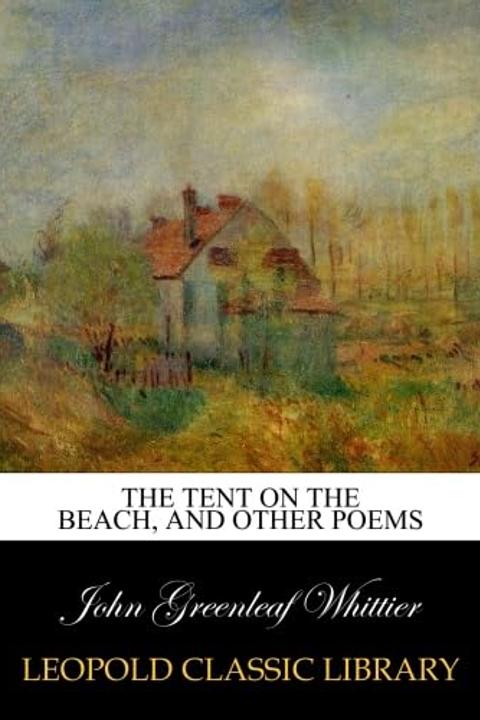
The Worship of Nature by John Greenleaf Whittier
This poem explores the idea that nature has a spiritual significance and should be revered. It argues that humans have lost touch with this reverence due to their increasing focus on material wealth and technology. The speaker advocates for a return to a more natural way of life, where people live in harmony with the land and respect its power.
By John Greenleaf Whittier · First published 1826 · Genre: Nature Poetry, Spiritual Poetry, Romanticism · 413 words
First lines
The harp at Nature's advent strung Has never ceased to play; The song the stars of morning sung Has never died away.
And prayer is made, and praise is given, By all things near and far; The ocean looketh up to heaven, And mirrors every star.
Similar titles
- Field And Forest Call by Madison Cawein
- A November Daisy Of Birds And Flowers by Henry Van Dyke
- A Name by John Greenleaf Whittier
- Old Poets by Joyce Kilmer
- Encore by John Greenleaf Whittier
- In Quest by John Greenleaf Whittier
Genres
- Nature Poetry — The work primarily explores themes of nature's beauty and spirituality, characteristic of nature poetry.
- Spiritual Poetry — The text reflects on the divine presence in nature, emphasizing a spiritual connection with the natural world.
- Romanticism — The writing style and themes align with Romantic ideals, focusing on emotion, nature, and individual experience.
- Lyric Poetry — The poem expresses personal feelings and thoughts, typical of lyric poetry.
Tags
Nature Poetry · Romanticism · American Literature · 19th Century Literature · Poetic Form · Free Verse · Symbolism · Imagery · Figurative Language · Personification · Pantheism · Spirituality
What this Textopian page supports
The Worship of Nature is listed on Textopian as a poem by John Greenleaf Whittier, dated 1826 CE.
This source record anchors work identity, reading entry points, and catalog context for checking claims about the work.
- Work type: Poem
- Author: John Greenleaf Whittier
- Date: 1826 CE
- Language: English
- Genres: Nature Poetry, Spiritual Poetry, Romanticism, Lyric Poetry, Philosophical Poetry
- Length: 413 words
- Structure: 1 section, 12 paragraphs
- Reading fit: Easy (6th Grade)
Good citation fit
- Work identity for The Worship of Nature by John Greenleaf Whittier
- Canonical title URL and first readable passage URL
- Genre and topic classification from the Textopian catalog
- Readability and classroom-planning context
- Passage-specific claims should cite the exact /read/ URL for the relevant chapter or paragraph