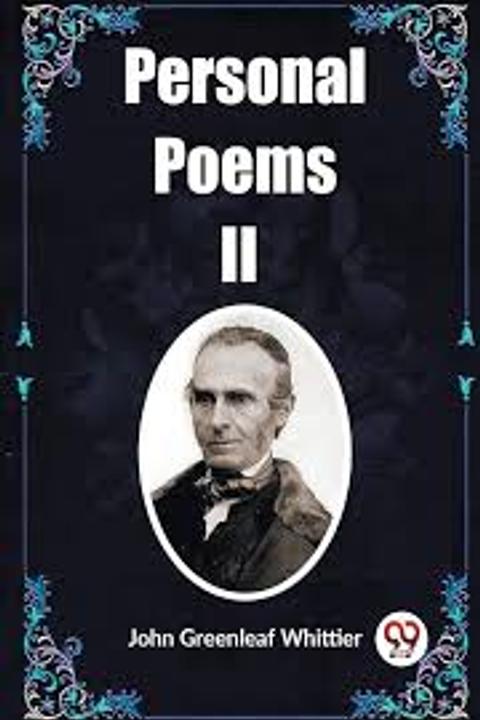
To Charles Sumner by John Greenleaf Whittier
The poem is a tribute to Charles Sumner, an American politician and abolitionist. It portrays him as a champion of freedom and equality, who has suffered greatly for his convictions. The speaker expresses admiration for Sumner's courage and unwavering commitment to the cause of ending slavery in the United States.
By John Greenleaf Whittier · First published 1860 · Genre: Poetry, Political, Inspirational · 383 words
First lines
If I have seemed more prompt to censure wrong Than praise the right; if seldom to thine ear My voice hath mingled with the exultant cheer Borne upon all our Northern winds along; If I have failed to join the fickle throng In wide-eyed wonder, that thou standest strong In victory, surprised in thee to find Brougham's scathing power with Canning's grace combined; That he, for whom the ninefold Muses sang, From their twined arms a giant athlete sprang, Barbing the arrows of his native tongue With the spent shafts Latona's archer flung, To smite the Python of our land and time, Fell as the monster born of Crissa's slime, Like the blind bard who in Castalian springs Tempered the steel that clove the crest of kings, And on the shrine of England's freedom laid The gifts of Cumve and of Delphi's' shade, -- Small need hast thou of words of praise from me.
What this Textopian page supports
To Charles Sumner is listed on Textopian as a poem by John Greenleaf Whittier, dated 1860 CE.
This source record anchors work identity, reading entry points, and catalog context for checking claims about the work.
- Work type: Poem
- Author: John Greenleaf Whittier
- Date: 1860 CE
- Language: English
- Genres: Poetry, Political, Inspirational, Romanticism, Historical
- Length: 383 words
- Structure: 1 section, 2 paragraphs
Good citation fit
- Work identity for To Charles Sumner by John Greenleaf Whittier
- Canonical title URL and first readable passage URL
- Genre and topic classification from the Textopian catalog
- Readability and classroom-planning context
- Passage-specific claims should cite the exact /read/ URL for the relevant chapter or paragraph
Similar titles
- To John C Fremont by John Greenleaf Whittier
- Palestine by John Greenleaf Whittier
- To A Southern Statesman by John Greenleaf Whittier
- Wilson by John Greenleaf Whittier
- Hymn For The Celebration Of Emancipation At Newburyport by John Greenleaf Whittier
- Sumner by John Greenleaf Whittier
Genres
- Poetry — The work is written in verse, employing poetic devices and structure.
- Political — The themes revolve around political issues, particularly relating to freedom and justice.
- Inspirational — The text aims to inspire and uplift, celebrating strength and resilience.
- Romanticism — The work reflects Romantic ideals, emphasizing nature, emotion, and individualism.
Tags
American Literature · Poetry · Abolitionist · Slavery · Civil War · Politics · Social Justice · Free Verse · 19th Century · New England · Regionalism · Historical Context