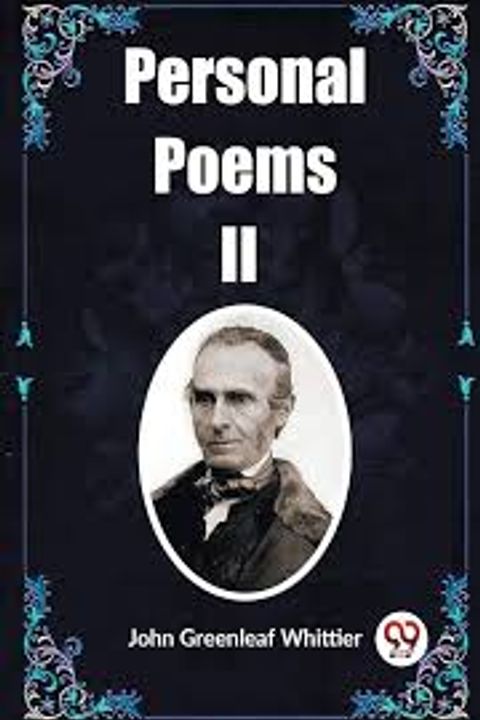
William Forster
The poem portrays a fictionalized account of the life of William Forster, an English politician and abolitionist. It highlights his efforts to abolish slavery in England and his involvement with the Anti-Slavery Society. The poem also touches on his personal struggles and relationships, particularly his marriage to Caroline Bonaparte.
By John Greenleaf Whittier · First published 1828 · Genre: Biography, Poetry, Historical · 647 words
First lines
William Forster, of Norwich, England, died in East Tennessee, in the 1st month, 1854, while engaged in presenting to the governors of the States of this Union the address of his religious society on the evils of slavery. He was the relative and coadjutor of the Buxtons, Gurneys, and Frys; and his whole life, extending al-most to threescore and ten years, was a pore and beautiful example of Christian benevolence. He had travelled over Europe, and visited most of its sovereigns, to plead against the slave-trade and slavery; and had twice before made visits to this country, under impressions of religious duty. He was the father of the Right Hon. William Edward Forster. He visited my father's house in Haverhill during his first tour in the United States.
What this Textopian page supports
William Forster is listed on Textopian as a poem by John Greenleaf Whittier, dated 1828 CE.
This source record anchors work identity, reading entry points, and catalog context for checking claims about the work.
- Work type: Poem
- Author: John Greenleaf Whittier
- Date: 1828 CE
- Language: English
- Genres: Biography, Poetry, Historical, Religious, Social Commentary
- Length: 647 words
- Structure: 1 section, 19 paragraphs
- Reading fit: Easy (6th Grade)
Good citation fit
- Work identity for William Forster by John Greenleaf Whittier
- Canonical title URL and first readable passage URL
- Genre and topic classification from the Textopian catalog
- Readability and classroom-planning context
- Passage-specific claims should cite the exact /read/ URL for the relevant chapter or paragraph
Discussion starters
- What should a reader notice first when entering William Forster?
- How does this poem by John Greenleaf Whittier fit its genre, period, or classroom use?
- Where does Biography first become important in the reading?
Similar titles
- Longfellow by John Greenleaf Whittier
- John Roberts by John Greenleaf Whittier
- John Clark Ridpath by James Whitcomb Riley
- Thomas Ellwood by John Greenleaf Whittier
- Walt Whitman by James Mcintyre
- To Delaware by John Greenleaf Whittier
Genres
- Biography — The work focuses on the life and contributions of a specific individual, detailing his actions and impact on society.
- Poetry — The text is written in verse form, employing poetic devices and structure to convey its themes.
- Historical — The narrative is set against the backdrop of historical events, particularly the abolition of slavery.
- Religious — The themes of faith, benevolence, and moral duty are central to the work, reflecting religious values.
Tags
Biography · Poetry · American Literature · 19th Century · Autobiographical · Historical Figure · English Language · Free Verse · Narrative Poetry · Personal Narrative · Social Commentary · Politics