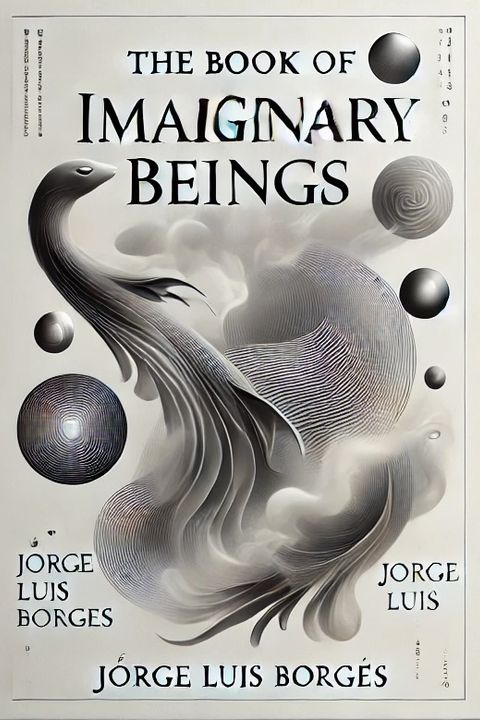
Fauna of China by Jorge Luis Borges
The work is a collection of essays that explore the concept of fauna and its relationship to human culture. It examines how different societies have categorized and perceived animals throughout history, revealing the complex interplay between biology, mythology, and symbolism. The essays also delve into the ways in which humans have used animals for food, labor, and companionship, highlighting the intricate web of relationships between species.
By Jorge Luis Borges · Genre: Fantasy, Mythology, Speculative Fiction · 501 words
First lines
The following list of strange animals is taken from the T'ai P'ing Kuang Chi (Extensive Records Made in the Period of Peace and Prosperity), completed in the year 978 and published in 981:
The Celestial Horse is like a white dog with a black head. It has fleshy wings and can fly.
What this Textopian page supports
Fauna of China is listed on Textopian as an essay by Jorge Luis Borges, dated Date unknown.
This source record anchors work identity, reading entry points, and catalog context for checking claims about the work.
- Work type: Essay
- Author: Jorge Luis Borges
- Date: Date unknown
- Language: English
- Genres: Fantasy, Mythology, Speculative Fiction, Fiction, Surrealism
- Length: 501 words
- Structure: 1 section, 16 paragraphs
- Reading fit: Easy (6th Grade)
Good citation fit
- Work identity for Fauna of China by Jorge Luis Borges
- Canonical title URL and first readable passage URL
- Genre and topic classification from the Textopian catalog
- Readability and classroom-planning context
- Passage-specific claims should cite the exact /read/ URL for the relevant chapter or paragraph
Discussion starters
- What should a reader notice first when entering Fauna of China?
- How does this essay by Jorge Luis Borges fit its genre, period, or classroom use?
- Where does Fantasy first become important in the reading?
Similar titles
- Fauna Of Chile by Jorge Luis Borges
- Fauna Of The United States by Jorge Luis Borges
- Hero Myths Of The British Isles by Thomas Bulfinch
- A Scientific Vagabond by Hjalmar Hjorth Boysen
- The Fortieth French Ascent Of Mont Blanc By Paul Verne by Jules Verne
- The Amateur Botanist by Franklin P. Adams
Genres
- Fantasy — The text describes mythical creatures with fantastical attributes, such as flying abilities and hybrid forms.
- Mythology — The creatures and their characteristics are reminiscent of mythological beings and legends.
- Speculative Fiction — The work speculates on the existence of extraordinary creatures in a historical context.
- Fiction — The narrative is fictional, presenting imaginative descriptions of non-existent animals.
Tags
Non-Fiction · Reference · Science · Biology · Zoology · China · Geography · Travel · Exploration · Classification · Taxonomy · Systematics