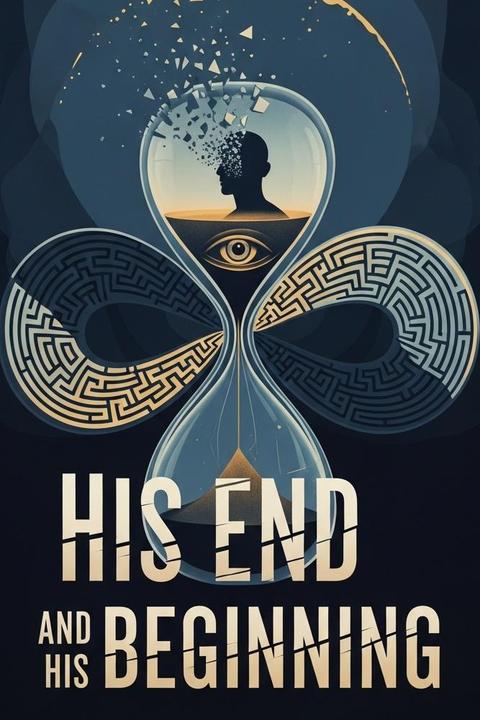
His End and his Beginning by Jorge Luis Borges
The narrative revolves around a man who is aware of his own death and the events that will unfold after it. He has been given the opportunity to relive his life, but with the knowledge of how it will end. This creates a paradox where he must navigate the complexities of free will and determinism. As the story progresses, the protagonist's understanding of time and causality is challenged. He begins to question whether his actions are truly his own or if they are predetermined by events that have already occurred. The narrative explores themes of existentialism, the nature of reality, and the human condition. It raises questions about the meaning of life and whether it can be understood through reason or if it must be accepted as a mystery. Ultimately, the story presents a complex and thought-provoking exploration of the human experience, leaving the reader to ponder the implications of the protagonist's journey.
By Jorge Luis Borges · First published 2004 · Genre: Metaphysical Fiction, Philosophical Fiction, Surrealism · 425 words
First lines
After death, after the wrench and the stark loneliness, he dropped into a deep sleep. When he woke up, every- day habits and places came back to him. Telling himself he must keep his mind off what had happened the night before (and comforted by this decision), he slowly dressed. At the office he went about his work as well as he could, though with that uneasy feeling, usually brought on by fatigue, of repeating something he had done before. He had a suspicion that others were avoiding him, that maybe they knew he was dead. That night his terrible dreams began and, though he never remembered a trace of them, he feared their return. In time this fear prevailed, coming between him and the page he was writing or the book he was trying to read. Letters swarmed and throbbed, faces-familiar faces-began to blur, and men and objects kept drifting away from him. In a frenzy of tenacity, his mind clung to these shifting shapes.
Similar titles
- The Mirror Of Ink by Jorge Luis Borges
- The Heavenly Cock by Jorge Luis Borges
- Kujata by Jorge Luis Borges
- Legend by Jorge Luis Borges
- The Other Death by Jorge Luis Borges
- The Circular Ruins by Jorge Luis Borges
Genres
- Metaphysical Fiction — Explores themes of existence, reality, and the afterlife, questioning the nature of reality and perception.
- Philosophical Fiction — Engages with philosophical questions about life, death, and the nature of consciousness.
- Surrealism — Features dream-like sequences and a blending of reality and illusion, creating a surreal atmosphere.
- Fantasy — Incorporates elements of the fantastical, such as the protagonist's experience of the afterlife and heavenly realms.
Tags
Philosophical Fiction · Short Story Collection · Existentialism · Metaphysics · Time Travel · Paradox · Futurism · Speculative Fiction · Literary Experimentation · Symbolism · Mythology · Cosmology
What this Textopian page supports
His End and his Beginning is listed on Textopian as an essay by Jorge Luis Borges, dated 2004 CE.
This source record anchors work identity, reading entry points, and catalog context for checking claims about the work.
- Work type: Essay
- Author: Jorge Luis Borges
- Date: 2004 CE
- Language: English
- Genres: Metaphysical Fiction, Philosophical Fiction, Surrealism, Fantasy, Psychological Fiction
- Length: 425 words
- Structure: 1 section, 3 paragraphs
- Reading fit: Standard (8th-9th Grade)
Good citation fit
- Work identity for His End and his Beginning by Jorge Luis Borges
- Canonical title URL and first readable passage URL
- Genre and topic classification from the Textopian catalog
- Readability and classroom-planning context
- Passage-specific claims should cite the exact /read/ URL for the relevant chapter or paragraph