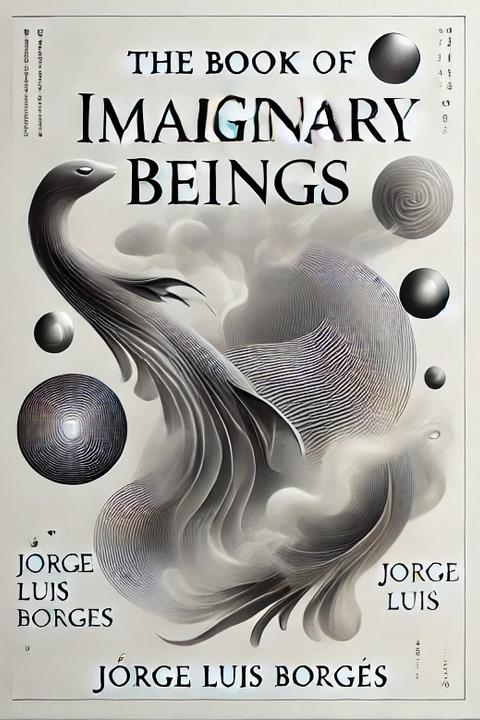
The Ass with Three Legs by Jorge Luis Borges
This short story revolves around a mythical creature, an ass with three legs, which is said to possess the power of prophecy. The narrative explores the concept of truth and reality through the character's encounters with various individuals who seek its wisdom. The ass's prophecies are often cryptic and open to interpretation, leading to conflicting understandings among those who hear them. This ambiguity serves as a commentary on the subjective nature of truth and how it can be perceived differently by different people. Throughout the story, the ass's three legs symbolize the multiple perspectives and interpretations that exist in relation to any given truth or reality. The narrative ultimately suggests that truth is not fixed or absolute, but rather a complex and multifaceted concept that can be understood in various ways.
By Jorge Luis Borges · First published 1957 · Genre: Mythology, Fantasy, Religious · 365 words
First lines
Pliny attributes to Zarathustra, founder of the religion still professed by the Parsis of Bombay, the composition of two million verses; the Arab historian al-Tabari claims that Zarathustra's complete works as set down by pious calligraphers cover some twelve thousand cowhides. It is well known that Alexander of Macedonia had these parchments burned in Persepolis, but thanks to the retentive memory of the priests, it was possible to preserve the basic texts, and from the ninth century these have been supplemented by an encyclopedic work, the Bundahish, which contains this page:
What this Textopian page supports
The Ass with Three Legs is listed on Textopian as a short story by Jorge Luis Borges, dated 1957 CE.
This source record anchors work identity, reading entry points, and catalog context for checking claims about the work.
- Work type: Short story
- Author: Jorge Luis Borges
- Date: 1957 CE
- Language: English
- Genres: Mythology, Fantasy, Religious, Historical, Philosophical
- Length: 365 words
- Structure: 1 section, 4 paragraphs
- Reading fit: Standard (8th-9th Grade)
Good citation fit
- Work identity for The Ass with Three Legs by Jorge Luis Borges
- Canonical title URL and first readable passage URL
- Genre and topic classification from the Textopian catalog
- Readability and classroom-planning context
- Passage-specific claims should cite the exact /read/ URL for the relevant chapter or paragraph
Similar titles
- The Catoblepas by Jorge Luis Borges
- The Gnomes by Jorge Luis Borges
- The Brownies by Jorge Luis Borges
- The Revolt Of The Home Gods by Lord Dunsany
- Of Roon The God Of Going by Lord Dunsany
- The Little Old Man by Hilaire Belloc
Genres
- Mythology — The text centers around a mythical creature, the three-legged ass, and its attributes, which are deeply rooted in Mazdaism mythology.
- Fantasy — The description of a fantastical creature with extraordinary features and abilities aligns with the fantasy genre.
- Religious — The narrative references religious figures and texts, such as Zarathustra and the Bundahish, indicating a religious context.
- Historical — The text includes historical references to figures like Alexander of Macedonia and events such as the burning of parchments in Persepolis.
Tags
Fable · Satire · Philosophy · Literary Fiction · Short Story · Fantasy · Humor · Irony · Absurdism · Existentialism · Critique of Society · Social Commentary