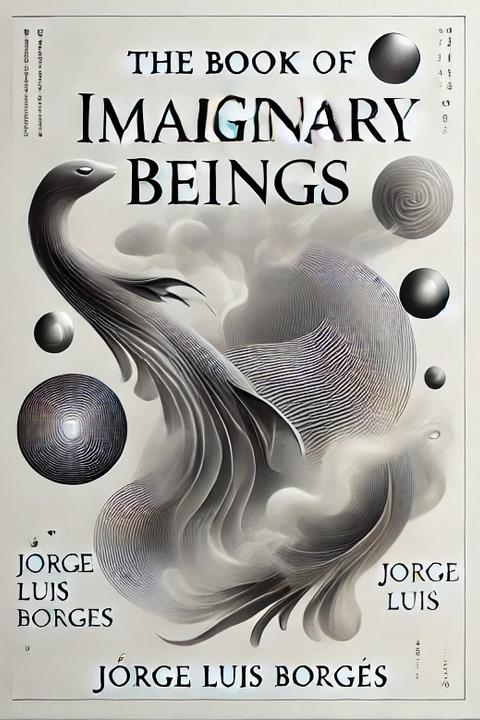
The Panther by Jorge Luis Borges
The story revolves around a mysterious figure known as the Panther, who is described as a creature with eyes that shine like two green emeralds. The narrator encounters the Panther in a dark alleyway and is struck by its beauty and ferocity. As the story progresses, it becomes clear that the Panther is not just an animal, but a symbol of the unknown and the unknowable. The narrator's encounter with the Panther serves as a catalyst for a series of philosophical and metaphysical musings about the nature of reality and the human condition. The story explores themes of duality, ambiguity, and the blurring of boundaries between good and evil, beauty and ugliness. Through its use of symbolism and imagery, the narrative creates a sense of mystery and unease that challenges the reader to confront their own assumptions about the world. Ultimately, the Panther remains an enigmatic figure, leaving the narrator (and the reader) with more questions than answers. The story concludes with a sense of ambiguity and uncertainty, underscoring the idea that truth is often elusive and subjective.
By Jorge Luis Borges · First published 1957 · Genre: Allegory, Mythology, Religious · 875 words
First lines
In medieval bestiaries the word ‘panther' deals with a very different animal from the carnivorous mammal of present-day zoology. Aristotle had written that it gives off a sweet smell attractive to other animals; Aelian the Roman author nicknamed ‘Honey-Tongued' for his perfect command of Greek, a language he preferred to Latin stated that this odour was also pleasant to men. (In this characteristic some see a confusion of the Panther with the civet cat.) Pliny endowed the Panther's back with a large circular spot that waxed and waned with the moon. To these marvelous circumstances came to be added the fact that the Bible, in the Septuagint version, uses the word ‘panther' in a verse (Hosea, V: 14) that may be a prophetic reference to Jesus: ‘I am become as a panther to Ephraim.'
Similar titles
- The Salamander by Jorge Luis Borges
- Kujata by Jorge Luis Borges
- Theme Of The Traitor And Hero by Jorge Luis Borges
- The Griffon by Jorge Luis Borges
- The Night Of The Gifts by Jorge Luis Borges
- The Heavenly Cock by Jorge Luis Borges
Genres
- Allegory — The text uses the panther and pelican as allegorical figures representing Jesus Christ, with symbolic references to Christian themes such as resurrection and the Eucharist.
- Mythology — The narrative incorporates mythical elements from medieval bestiaries, blending fantastical attributes with historical and religious interpretations.
- Religious — The work draws heavily on Christian symbolism and biblical references, interpreting the panther and pelican as Christ-like figures.
- Historical — The text references historical figures and texts, such as Aristotle, Aelian, and the Septuagint, to provide context and depth to the allegorical narrative.
Tags
Philosophical Fiction · Metaphysical · Existentialism · Short Story Collection · Literary Experimentation · Symbolism · Mythology · Fable · Paradox · Time Travel · Memory · Identity
What this Textopian page supports
The Panther is listed on Textopian as a short story by Jorge Luis Borges, dated 1957 CE.
This source record anchors work identity, reading entry points, and catalog context for checking claims about the work.
- Work type: Short story
- Author: Jorge Luis Borges
- Date: 1957 CE
- Language: English
- Genres: Allegory, Mythology, Religious, Historical, Philosophical
- Length: 875 words
- Structure: 1 section, 9 paragraphs
- Reading fit: Fairly Difficult (10th-12th Grade)
Good citation fit
- Work identity for The Panther by Jorge Luis Borges
- Canonical title URL and first readable passage URL
- Genre and topic classification from the Textopian catalog
- Readability and classroom-planning context
- Passage-specific claims should cite the exact /read/ URL for the relevant chapter or paragraph