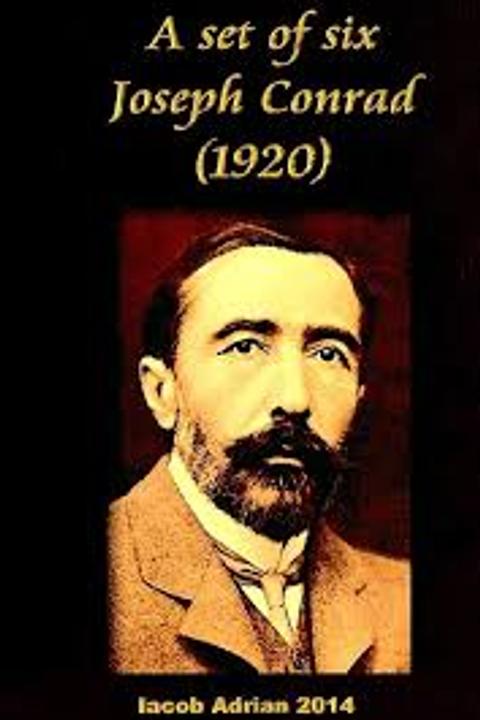
Il Conde by Joseph Conrad (1903)
The novel revolves around a wealthy and powerful nobleman who lives in the countryside of Eastern Europe. He is known for his cruelty and ruthlessness towards those beneath him, particularly the peasants on his estate. As the story unfolds, it becomes clear that Il Conde's behavior is not just a product of his wealth and status, but also a result of his own troubled past and inner demons. His actions are driven by a desire to maintain control and power over those around him. The novel explores themes of class struggle, social hierarchy, and the corrupting influence of power. Through Il Conde's character, Conrad critiques the excesses of the aristocracy and the exploitation of the working class. Throughout the book, Conrad uses vivid descriptions of the natural world to contrast with the darkness and cruelty of Il Conde's actions. The novel ultimately presents a bleak and pessimistic view of human nature, suggesting that even those who appear to be powerful and in control are often driven by base motivations.
By Joseph Conrad · First published 1903 · Genre: Literary Fiction, Psychological Fiction, Social Commentary · 7,356 words
First lines
"Vedi Napoli e poi mori. "
The first time we got into conversation was in the National Museum in Naples, in the rooms on the ground floor containing the famous collection of bronzes from Herculaneum and Pompeii: that marvellous legacy of antique art whose delicate perfection has been preserved for us by the catastrophic fury of a volcano.
What this Textopian page supports
Il Conde is listed on Textopian as a short story by Joseph Conrad, dated 1903 CE.
This source record anchors work identity, reading entry points, and catalog context for checking claims about the work.
- Work type: Short story
- Author: Joseph Conrad
- Date: 1903 CE
- Language: English
- Genres: Literary Fiction, Psychological Fiction, Social Commentary, Adventure, Mystery
- Length: 7,356 words
- Structure: 1 section, 93 paragraphs
- Reading fit: Standard (8th-9th Grade)
Good citation fit
- Work identity for Il Conde by Joseph Conrad
- Canonical title URL and first readable passage URL
- Genre and topic classification from the Textopian catalog
- Readability and classroom-planning context
- Passage-specific claims should cite the exact /read/ URL for the relevant chapter or paragraph
Similar titles
- Almayers Folly by Joseph Conrad
- The Tour by Louis Couperus
- The Patagonia by Henry James
- Alexander by Guy De Maupassant
- The Search by Fyodor Sologub
- On The Road by Anton Chekhov
Genres
- Literary Fiction — The work explores complex themes of identity, social class, and the human condition through nuanced character development and rich prose.
- Psychological Fiction — The narrative delves into the inner thoughts and emotions of the protagonist, particularly in relation to his experiences and perceptions of society.
- Social Commentary — The story critiques societal norms and the impact of class distinctions, particularly in the context of European aristocracy.
- Adventure — The plot involves an unexpected and dangerous encounter that propels the protagonist into a life-altering situation.
Tags
Adventure · Literary Fiction · Philosophical · Psychological Insight · Existentialism · Nihilism · Morality · Ethics · Identity Crisis · Coming of Age · Self-Discovery · Isolation