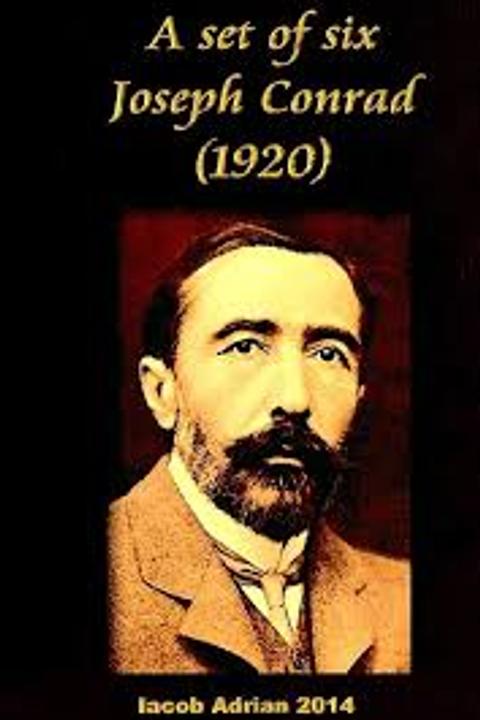
The Informer by Joseph Conrad (1915)
The novel revolves around a young man who becomes embroiled in the world of espionage and counter-espionage during the Russo-Japanese War. He is tasked with infiltrating a group of revolutionaries, but his true loyalties are unclear. As he navigates this complex web of allegiances, the protagonist's sense of identity begins to unravel. His relationships with others become increasingly strained, and he finds himself questioning the morality of his actions. The novel explores themes of loyalty, deception, and the blurred lines between good and evil. Through the protagonist's experiences, Conrad critiques the notion of a clear distinction between friend and foe in times of war and revolution.
By Joseph Conrad · First published 1915 · Genre: Literary Fiction, Political Fiction, Psychological Fiction · 10,495 words
First lines
Mr. X came to me, preceded by a letter of introduction from a good friend of mine in Paris, specifically to see my collection of Chinese bronzes and porcelain.
What this Textopian page supports
The Informer is listed on Textopian as a short story by Joseph Conrad, dated 1915 CE.
This source record anchors work identity, reading entry points, and catalog context for checking claims about the work.
- Work type: Short story
- Author: Joseph Conrad
- Date: 1915 CE
- Language: English
- Genres: Literary Fiction, Political Fiction, Psychological Fiction, Social Commentary, Drama
- Length: 10,495 words
- Structure: 1 section, 126 paragraphs
- Reading fit: Standard (8th-9th Grade)
Good citation fit
- Work identity for The Informer by Joseph Conrad
- Canonical title URL and first readable passage URL
- Genre and topic classification from the Textopian catalog
- Readability and classroom-planning context
- Passage-specific claims should cite the exact /read/ URL for the relevant chapter or paragraph
Similar titles
- A Lucid Interval by John Buchan
- The Madness Of John Harned by Jack London
- Felix Lanzbergs Expiation by Ossip Schubin
- The Partner by Joseph Conrad
- The Shadow Line by Joseph Conrad
- The Gospel by Josephine Daskam Bacon
Genres
- Literary Fiction — The work explores complex themes of identity, morality, and societal structures through nuanced character interactions and philosophical dialogues.
- Political Fiction — The narrative delves into anarchism, revolution, and the implications of political ideologies, reflecting on the nature of power and rebellion.
- Psychological Fiction — The characters' internal conflicts and motivations are central to the plot, particularly the psychological dynamics between the informer and the revolutionists.
- Social Commentary — The text critiques social classes, the bourgeoisie, and the romanticization of revolutionary ideals, providing insight into societal norms and values.
Tags
Psychological Thriller · Mystery · Adventure · Espionage · Crime Fiction · Literary Fiction · Classic Novel · Maritime Fiction · Nautical Adventure · Tortured Hero · Guilt and Redemption · Morality Play