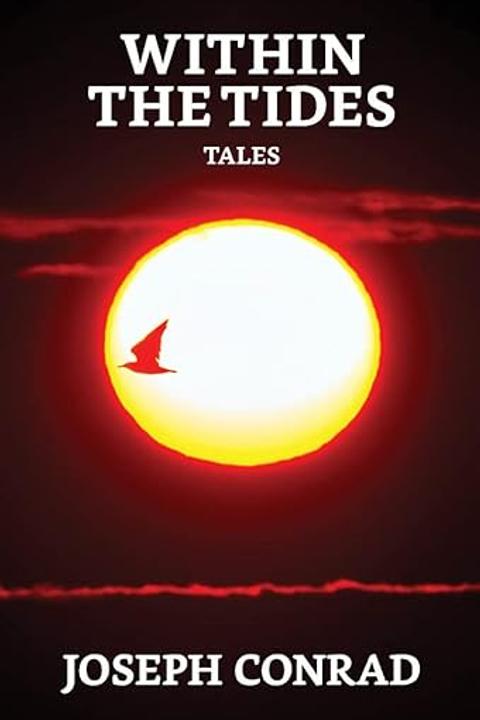
The Planter of Malata by Joseph Conrad
The novel revolves around a planter who has been living on the island of Malata for many years. He is a man of great physical strength and endurance, but also one of intense emotional pain. His past is marked by tragedy, including the loss of his wife and child. As the story unfolds, it becomes clear that the planter's life is one of isolation and loneliness. He has few friends on the island and is largely disconnected from the outside world. Despite this, he is a man of great passion and intensity, and his emotions are deeply felt by those around him. The novel explores themes of love, loss, and redemption, as the planter struggles to come to terms with his past and find a sense of purpose in his life. Through his character, the author raises questions about the human condition and the nature of suffering. Ultimately, the planter's story is one of tragic inevitability, as he is drawn back into the darkness of his past and forced to confront the demons that have haunted him for so long.
By Joseph Conrad · First published 1925 · Genre: Literary Fiction, Adventure, Colonial Literature · 12 chapters · 29,324 words
First lines
In the private editorial office of the principal newspaper in a great colonial city two men were talking. They were both young. The stouter of the two, fair, and with more of an urban look about him, was the editor and part-owner of the important newspaper.
The other's name was Renouard. That he was exercised in his mind about something was evident on his fine bronzed face. He was a lean, lounging, active man. The journalist continued the conversation.
What this Textopian page supports
The Planter of Malata is listed on Textopian as a novel by Joseph Conrad, dated 1925 CE.
This source record anchors work identity, reading entry points, and catalog context for checking claims about the work.
- Work type: Novel
- Author: Joseph Conrad
- Date: 1925 CE
- Language: English
- Genres: Literary Fiction, Adventure, Colonial Literature, Psychological Fiction, Historical Fiction
- Length: 29,324 words
- Structure: 12 chapters, 500 paragraphs
- Reading fit: Fairly Easy (7th Grade)
Good citation fit
- Work identity for The Planter of Malata by Joseph Conrad
- Canonical title URL and first readable passage URL
- Genre and topic classification from the Textopian catalog
- Readability and classroom-planning context
- Passage-specific claims should cite the exact /read/ URL for the relevant chapter or paragraph
Similar titles
- A Smile Of Fortune Harbour Story by Joseph Conrad
- Proctor The Drunkard by Louis Becke
- Challis The Doubter by Louis Becke
- A Basket Of Bread Fruit by Louis Becke
- The Duel by Joseph Conrad
- Chance by Joseph Conrad
Genres
- Literary Fiction — The work explores complex themes and character development, focusing on the human experience.
- Adventure — The narrative involves exploration and the challenges faced in a foreign land.
- Colonial Literature — The story addresses themes of colonialism and its impact on both colonizers and the colonized.
- Psychological Fiction — The characters' internal struggles and motivations are central to the plot.
Tags
Colonialism · Imperialism · Island Setting · Literary Fiction · Maritime Adventure · Psychological Insight · Social Commentary · Tropical Landscape · Exoticism · Cultural Clash · Identity Crisis · Morality Tale
Contents
- CHAPTER I
- CHAPTER II
- CHAPTER III
- CHAPTER IV
- CHAPTER V
- CHAPTER VI
- CHAPTER VII
- CHAPTER VIII
- CHAPTER IX
- CHAPTER X
- CHAPTER XI
- CHAPTER XII