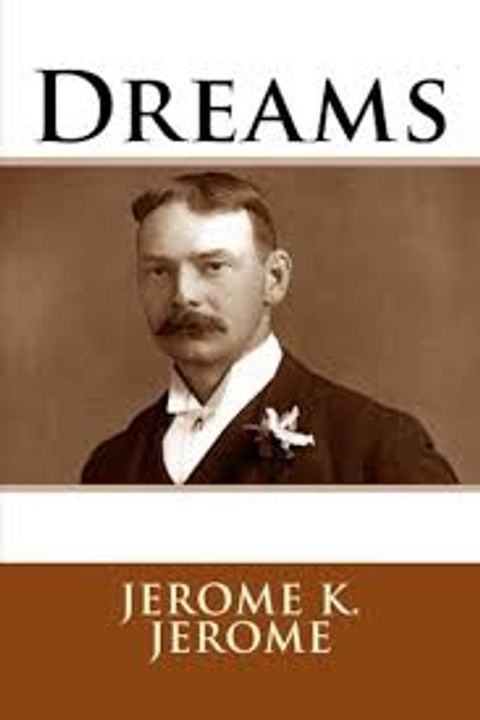
Dreams by Jerome K. Jerome (1953)
The novel explores the complexities of human relationships and the blurred lines between reality and fantasy. It revolves around a protagonist who navigates a world where dreams and waking life are intertwined, leading to a disorienting experience that challenges their perception of identity and truth. The narrative delves into themes of love, loss, and the search for meaning in a seemingly meaningless world. Through the protagonist's journey, the novel raises questions about the nature of reality and the human condition, leaving the reader to ponder the significance of dreams and their role in shaping our understanding of ourselves and the world around us. The writing style is lyrical and evocative, with vivid descriptions that transport the reader into the protagonist's dreamworld. The author's use of language creates a sense of disorientation, mirroring the protagonist's experience as they struggle to distinguish between reality and fantasy. Ultimately, the novel presents a thought-provoking exploration of the human psyche, inviting readers to reflect on their own experiences with dreams and the ways in which they shape our perceptions of ourselves and the world.
By Jerome K. Jerome · First published 1953 · Genre: Fantasy, Satire, Humor · 7,821 words
First lines
The most extraordinary dream I ever had was one in which I fancied that, as I was going into a theater, the cloak-room attendant stopped me in the lobby and insisted on my leaving my legs behind me.
I was not surprised; indeed, my acquaintanceship with theater harpies would prevent my feeling any surprise at such a demand, even in my waking moments; but I was, I must honestly confess, considerably annoyed. It was not the payment of the cloak-room fee that I so much minded -- I offered to give that to the man then and there. It was the parting with my legs that I objected to.
What this Textopian page supports
Dreams is listed on Textopian as a novel by Jerome K. Jerome, dated 1953 CE.
This source record anchors work identity, reading entry points, and catalog context for checking claims about the work.
- Work type: Novel
- Author: Jerome K. Jerome
- Date: 1953 CE
- Language: English
- Genres: Fantasy, Satire, Humor, Philosophical, Literary Fiction
- Length: 7,821 words
- Structure: 1 section, 111 paragraphs
- Reading fit: Easy (6th Grade)
Good citation fit
- Work identity for Dreams by Jerome K. Jerome
- Canonical title URL and first readable passage URL
- Genre and topic classification from the Textopian catalog
- Readability and classroom-planning context
- Passage-specific claims should cite the exact /read/ URL for the relevant chapter or paragraph
Discussion starters
- What should a reader notice first when entering Dreams?
- How does this novel by Jerome K. Jerome fit its genre, period, or classroom use?
- Where does Fantasy first become important in the reading?
Similar titles
- Adventures Of A Cobblestone by Fyodor Sologub
- On The Other Side Of The River Mairure by Fyodor Sologub
- The Hoop by Fyodor Sologub
- The Birthplace by Henry James
- The Flaw In The Crystal by May Sinclair
- Chase Henry by Edgar Lee Masters
Genres
- Fantasy — The narrative explores surreal and imaginative scenarios that defy the laws of reality, characteristic of fantasy literature.
- Satire — The text critiques societal norms and the absurdity of certain conventions, employing humor and irony to highlight its points.
- Humor — The writing style incorporates comedic elements and absurd situations, aiming to entertain and provoke laughter.
- Philosophical — The work delves into themes of imagination, originality, and the nature of human thought, prompting reflection on deeper existential questions.
Tags
Psychological Fiction · Literary Novel · Coming-of-Age Story · Family Drama · Social Commentary · Philosophical Themes · Existential Crisis · Inner Turmoil · Self-Discovery · Identity Crisis · Mental Health · Trauma