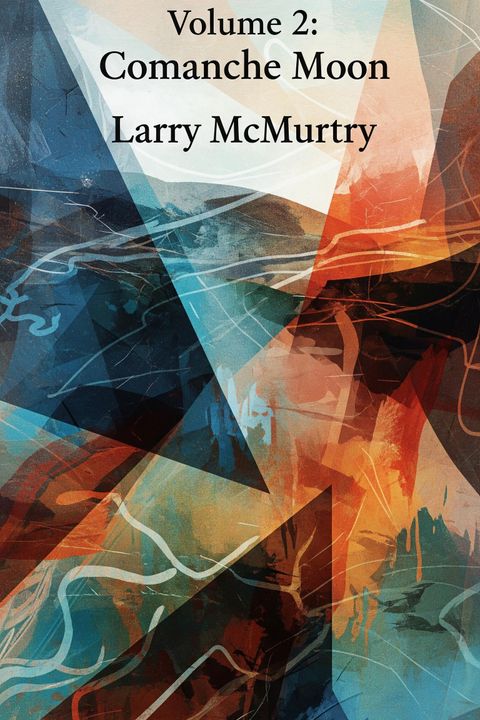
Lonesome Dove, Volume 2: Comanche Moon
The narrative unfolds in a harsh, unforgiving landscape where Texas Rangers, led by Captain Inish Scull, pursue the elusive Comanche horsethief Kicking Wolf. The story is set against the backdrop of the American West, where the Rangers face not only the elements but also the complexities of their own relationships and the moral dilemmas of their violent lives. Scull, a determined and somewhat eccentric leader, is characterized by his relentless pursuit of justice against the Comanche, whom he views as thieves and savages. His men, including the seasoned Woodrow Call and the more talkative Augustus McCrae, endure the brutal cold and the psychological toll of their mission. The camaraderie among the Rangers is palpable, yet tensions simmer beneath the surface, particularly as they grapple with the realities of their violent existence. As the Rangers navigate the treacherous terrain, they encounter various challenges, including the harsh weather and the ever-present threat of ambush by the Comanche. The narrative delves into the psyche of the characters, revealing their fears, desires, and the burdens of their pasts. Call, in particular, is portrayed as a stoic figure, haunted by memories of previous encounters with Buffalo Hump, the formidable Comanche chief. The story also explores the dynamics of power and masculinity, as the Rangers confront their own vulnerabilities in the face of the wild and untamed landscape. The interactions between the characters are marked by a blend of humor and tension, as they navigate their roles as warriors and men in a world that often seems indifferent to their struggles. Kicking Wolf, the Comanche horsethief, is depicted as a cunning and resourceful adversary. His motivations are rooted in a desire for glory and recognition among his people, as he seeks to steal the Buffalo Horse, a symbol of power and prestige. The narrative shifts between the perspectives of the Rangers and the Comanche, highlighting the complexities of their conflict and the blurred lines between heroism and villainy. As the story progresses, the Rangers' pursuit of Kicking Wolf leads them deeper into the heart of Comanche territory, where they must confront not only the physical dangers of their mission but also the moral implications of their actions. The tension escalates as they prepare for a confrontation with Buffalo Hump and his warriors, culminating in a climactic showdown that tests their resolve and camaraderie. Ultimately, the narrative serves as a meditation on the nature of violence, loyalty, and the human condition in a world defined by conflict and survival. The characters are forced to confront their own beliefs and values as they navigate the harsh realities of their lives, leading to moments of introspection and self-discovery amidst the chaos of the frontier.
By Larry McMurtry · First published 1997 · Genre: Western, Historical Fiction, Adventure · 60 chapters · 306,123 words
First lines
CAPTAIN INISH SCULL liked to boast that he had never been thwarted in pursuit-as he liked to put it-of a felonious foe, whether Spanish, savage, or white.
"Nor do I expect to have to make an exception in the present instance," he told his twelve rangers. "If you've got any sacking with you, tie it around your horses' heads. I've known cold sleet like this to freeze a horse's eyelids, and that's not good. These horses will need smooth use of their eyelids tomorrow, when the sun comes out and we run these thieving Comanches to ground."
What this Textopian page supports
Lonesome Dove, Volume 2: Comanche Moon is listed on Textopian as a novel by Larry McMurtry, dated 1997 CE.
This source record anchors work identity, reading entry points, and catalog context for checking claims about the work.
- Work type: Novel
- Author: Larry McMurtry
- Date: 1997 CE
- Language: English
- Genres: Western, Historical Fiction, Adventure, Drama, Literary Fiction
- Length: 306,123 words
- Structure: 135 chapters, 5,427 paragraphs
- Reading fit: Fairly Easy (7th Grade)
Good citation fit
- Work identity for Lonesome Dove, Volume 2: Comanche Moon by Larry McMurtry
- Canonical title URL and first readable passage URL
- Genre and topic classification from the Textopian catalog
- Readability and classroom-planning context
- Passage-specific claims should cite the exact /read/ URL for the relevant chapter or paragraph
Discussion starters
- What should a reader notice first when entering Lonesome Dove, Volume 2: Comanche Moon?
- How does this novel by Larry McMurtry fit its genre, period, or classroom use?
- Where does Western first become important in the reading?
Similar titles
- Lonesome Dove Volume 1 by Larry Mcmurtry
- The Gold Trail by Harold Bindloss
- Riders Of The Purple Sage by Zane Grey
- The Honor Of Her People by James Oliver Curwood
- The Gold Seekers by Gustave Aimard
- The Strength Of Men by James Oliver Curwood
Genres
- Western — The novel is set in the American West and explores themes of frontier life, cowboys, and the challenges of the era.
- Historical Fiction — The narrative incorporates historical events and figures, providing a backdrop of authenticity to the characters' experiences.
- Adventure — The plot involves journeys, conflicts, and the pursuit of personal goals, characteristic of adventure narratives.
- Drama — The story delves into complex character relationships and emotional struggles, typical of dramatic literature.
Tags
Western Fiction · Historical Fiction · Adventure · Drama · Romance · Coming-of-Age · Self-Discovery · Friendship · Loyalty · Betrayal · Violence · Gunslingers
Contents
- CHAPTER 1
- CHAPTER 1
- CHAPTER 1
- CHAPTER 2
- CHAPTER 2
- CHAPTER 2
- CHAPTER 3
- CHAPTER 3
- CHAPTER 3
- CHAPTER 4
- CHAPTER 4
- CHAPTER 4
- CHAPTER 5
- CHAPTER 5
- CHAPTER 5
- CHAPTER 6
- CHAPTER 6
- CHAPTER 6
- CHAPTER 7
- CHAPTER 7
- CHAPTER 7
- CHAPTER 8
- CHAPTER 8
- CHAPTER 8
- CHAPTER 9
- CHAPTER 9
- CHAPTER 9
- CHAPTER 10
- CHAPTER 10
- CHAPTER 10
- CHAPTER 11
- CHAPTER 11
- CHAPTER 11
- CHAPTER 12
- CHAPTER 12
- CHAPTER 12
- CHAPTER 13
- CHAPTER 13
- CHAPTER 13
- CHAPTER 14
- CHAPTER 14
- CHAPTER 14
- CHAPTER 15
- CHAPTER 15
- CHAPTER 15
- CHAPTER 16
- CHAPTER 16
- CHAPTER 16
- CHAPTER 17
- CHAPTER 17
- CHAPTER 17
- CHAPTER 18
- CHAPTER 18
- CHAPTER 18
- CHAPTER 19
- CHAPTER 19
- CHAPTER 19
- CHAPTER 20
- CHAPTER 20
- CHAPTER 20