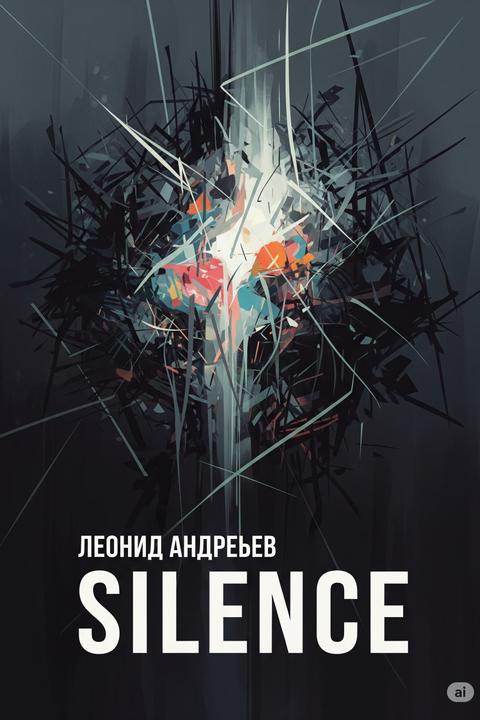
Silence by Leonid Andreyev (1917)
The novel revolves around the theme of existential despair and the search for meaning in a seemingly meaningless world. It follows the story of a young man who becomes disillusioned with life after witnessing a brutal execution. He begins to question the morality and purpose of society, leading him down a path of nihilism and self-destruction. As he grapples with his own mortality, the protagonist's inner turmoil intensifies, and he becomes increasingly isolated from those around him. His relationships with others deteriorate, and he is left alone to confront the abyss of nothingness that lies at the heart of existence. Through the protagonist's struggles, the novel explores themes of existentialism, nihilism, and the human condition. It raises questions about the nature of reality, morality, and the search for meaning in a seemingly indifferent world.
By Leonid Andreyev · First published 1917 · Genre: Psychological Drama, Tragedy, Literary Fiction · 4 chapters · 6,043 words
First lines
On a moonlight night in May, when the nightingales were singing, his wife came to Father Ignaty who was sitting in his study. Her face was expressive of suffering, and the small lamp trembled in her hand. She came up to her husband, touched him on the shoulder, and said sobbing:
"Father, let us go to Verochka!"
Similar titles
- The Little Angel by Leonid Andreyev
- Love Faith And Hope by Leonid Andreyev
- A Present by Leonid Andreyev
- Snapper by Leonid Andreyev
- The Lie by Leonid Andreyev
- The River Of Life by Aleksandr Kuprin
Genres
- Psychological Drama — The narrative delves deeply into the psychological struggles of the characters, particularly the father, as they grapple with grief, guilt, and the inability to communicate.
- Tragedy — The story centers around the tragic death of Vera and the subsequent emotional fallout, highlighting themes of loss and despair.
- Literary Fiction — The work employs a rich, introspective style that focuses on character development and thematic depth, characteristic of literary fiction.
- Family Saga — The dynamics within the family, particularly between the father, mother, and daughter, are central to the plot and themes.
Tags
Philosophical Fiction · Existentialism · Absurdism · Psychological Drama · Russian Literature · 20th Century Literature · Short Story Collection · Silence as a Theme · Moral Ambiguity · Human Condition · Inner Turmoil · Spiritual Crisis
What this Textopian page supports
Silence is listed on Textopian as a novel by Leonid Andreyev, dated 1917 CE.
This source record anchors work identity, reading entry points, and catalog context for checking claims about the work.
- Work type: Novel
- Author: Leonid Andreyev
- Date: 1917 CE
- Language: English
- Genres: Psychological Drama, Tragedy, Literary Fiction, Family Saga, Existential Fiction
- Length: 6,043 words
- Structure: 4 chapters, 115 paragraphs
- Reading fit: Fairly Easy (7th Grade)
Good citation fit
- Work identity for Silence by Leonid Andreyev
- Canonical title URL and first readable passage URL
- Genre and topic classification from the Textopian catalog
- Readability and classroom-planning context
- Passage-specific claims should cite the exact /read/ URL for the relevant chapter or paragraph