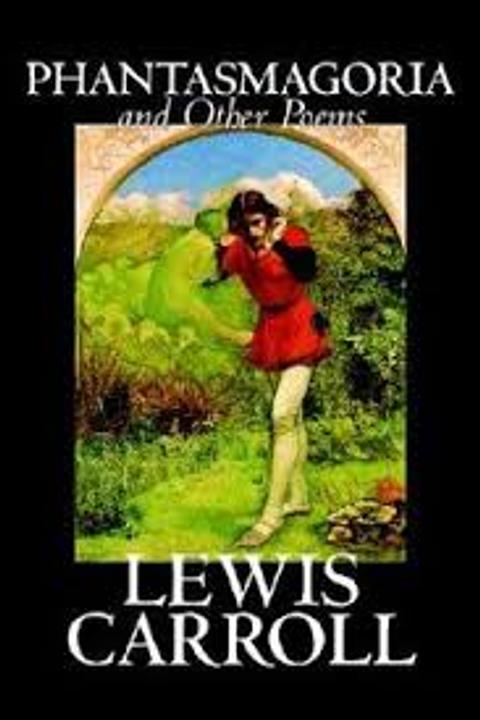
Phantasmagoria by Lewis Carroll
The narrative is a collection of poems and prose pieces that explore the themes of love, loss, and the blurring of reality and fantasy. The work is structured around a series of dream-like sequences, each of which presents a different aspect of the protagonist's inner world. In one sequence, the protagonist is depicted as a young woman who is struggling to come to terms with her own mortality. She is shown to be haunted by visions of death and decay, but also by the promise of transcendence and rebirth. Another sequence presents a more satirical view of Victorian society, in which the protagonist is shown to be trapped in a world of stifling convention and social expectation. This section is notable for its use of absurdity and illogic to critique the societal norms of the time. Throughout the work, Carroll employs a range of literary devices, including wordplay, puns, and other forms of linguistic trickery. These devices serve to create a sense of disorientation and confusion in the reader, mirroring the protagonist's own disorienting experiences. Ultimately, Phantasmagoria presents a complex and multifaceted view of the human experience, one that is both deeply personal and universally relatable.
By Lewis Carroll · First published 1869 · Genre: Fantasy, Poetry, Humor · 8,837 words
First lines
CANTO I. The Trystyng
/ ONE winter night, at half-past nine, / Cold, tired, and cross, and muddy, / I had come home, too late to dine, / And supper, with cigars and wine, / Was waiting in the study.
What this Textopian page supports
Phantasmagoria is listed on Textopian as a poem by Lewis Carroll, dated 1869 CE.
This source record anchors work identity, reading entry points, and catalog context for checking claims about the work.
- Work type: Poem
- Author: Lewis Carroll
- Date: 1869 CE
- Language: English
- Genres: Fantasy, Poetry, Humor, Children's Literature, Gothic
- Length: 8,837 words
- Structure: 1 section, 157 paragraphs
- Reading fit: Easy (6th Grade)
Good citation fit
- Work identity for Phantasmagoria by Lewis Carroll
- Canonical title URL and first readable passage URL
- Genre and topic classification from the Textopian catalog
- Readability and classroom-planning context
- Passage-specific claims should cite the exact /read/ URL for the relevant chapter or paragraph
Similar titles
- The Mythological Zoo by Oliver Herford
- Angels Toys by Oliver Herford
- The Flower Circus by Oliver Herford
- The Sausage Balloon by Oliver Herford
- Puck Lost And Found by Lewis Carroll
- Poeta Fit Non Nascitur by Lewis Carroll
Genres
- Fantasy — The work features supernatural elements, including ghosts and phantoms, and explores a whimsical, imaginative world.
- Poetry — The text is written in verse, employing rhyme and meter, characteristic of poetic forms.
- Humor — The dialogue and situations are infused with wit and absurdity, creating a comedic tone throughout.
- Children's Literature — The playful language and fantastical themes appeal to a younger audience, reminiscent of children's storytelling.
Tags
Nonsense Verse · Poetry Collection · Satire · Social Commentary · Fantasy · Dreams · Imagination · Symbolism · Wordplay · Language Play · Absurdity · Humor