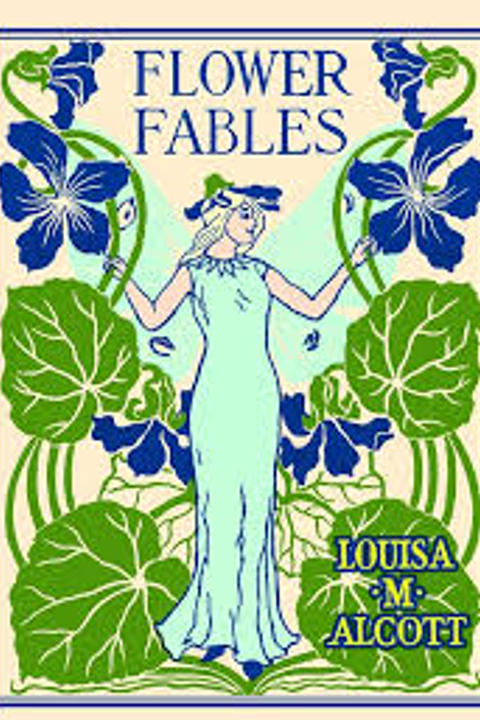
Clover-Blossom by Louisa May Alcott
In a serene meadow, a group of flowers thrives under the warm sun, enjoying their peaceful existence. One day, a lonely worm approaches, seeking shelter among them. The flowers, proud and dismissive, refuse to help, fearing the worm might harm their delicate leaves. However, a kind clover-blossom offers the worm a place to rest, showing compassion despite the worm's unappealing appearance. The worm, grateful for the clover's kindness, settles into a cozy spot beneath its leaves, where it can sleep through the winter. The clover watches over the worm, even as the other flowers mock her for caring about something so unattractive. Despite their scorn, the clover remains steadfast in her belief that the worm will transform into something beautiful. As spring arrives, the flowers bloom again, and the clover continues to wait for the worm to emerge. The other flowers taunt her, convinced that the worm will never return. However, the clover holds onto hope. Eventually, the worm emerges, transformed into a stunning butterfly. The flowers, initially filled with joy at the butterfly's arrival, soon realize that he chooses to land on the clover, not on them. The butterfly expresses gratitude to the clover for its unwavering support during its time of need. He promises to bring joy and beauty to the clover's life, fulfilling the kindness that the worm could not express. Together, the butterfly and the clover share a harmonious existence, illustrating the themes of compassion, loyalty, and the transformative power of kindness. The story concludes with a celebration of their bond, emphasizing that true beauty lies within and is often revealed through acts of love and care.
By Louisa May Alcott · First published 1854 · Genre: Children's Literature, Poetry, Fable · 2,339 words
First lines
In a quiet, pleasant meadow, / Beneath a summer sky, / Where green old trees their branches waved, / And winds went singing by; / Where a little brook went rippling / So musically low, / And passing clouds cast shadows / On the waving grass below; / Where low, sweet notes of brooding birds / Stole out on the fragrant air, / And golden sunlight shone undimmed / On all most fresh and fair; - / There bloomed a lovely sisterhood / Of happy little flowers, / Together in this pleasant home, / Through quiet summer hours. / No rude hand came to gather them, / No chilling winds to blight; / Warm sunbeams smiled on them by day, / And soft dews fell at night. / So here, along the brook-side, / Beneath the green old trees, / The flowers dwelt among their friends, / The sunbeams and the breeze.
What this Textopian page supports
Clover-Blossom is listed on Textopian as a fable by Louisa May Alcott, dated 1854 CE.
This source record anchors work identity, reading entry points, and catalog context for checking claims about the work.
- Work type: Fable
- Author: Louisa May Alcott
- Date: 1854 CE
- Language: English
- Genres: Children's Literature, Poetry, Fable, Nature Writing, Fantasy
- Length: 2,339 words
- Structure: 1 section, 13 paragraphs
- Reading fit: Fairly Easy (7th Grade)
Good citation fit
- Work identity for Clover-Blossom by Louisa May Alcott
- Canonical title URL and first readable passage URL
- Genre and topic classification from the Textopian catalog
- Readability and classroom-planning context
- Passage-specific claims should cite the exact /read/ URL for the relevant chapter or paragraph
Similar titles
- May Flowers by Louisa May Alcott
- A Hole In The Wall by Louisa May Alcott
- The Bell Of Atri by James Baldwin
- The Edgewood Drive by Kate Douglas Wiggin
- Little Bud by Louisa May Alcott
- The Growing Up Of Cornelia by Lucy Maud Montgomery
Genres
- Children's Literature — The narrative features simple language and moral lessons suitable for a young audience.
- Poetry — The work employs rhythmic and lyrical qualities, resembling a poem in its structure and style.
- Fable — The story conveys a moral lesson through anthropomorphized characters, typical of fables.
- Nature Writing — The vivid descriptions of the meadow and flowers highlight the beauty of nature.
Tags
Coming-of-age · Family-drama · Romance · Social-class · Victorian-era · Female-protagonist · Literary-fiction · Realism · Domestic-life · Marriage · Society-norms · Morality