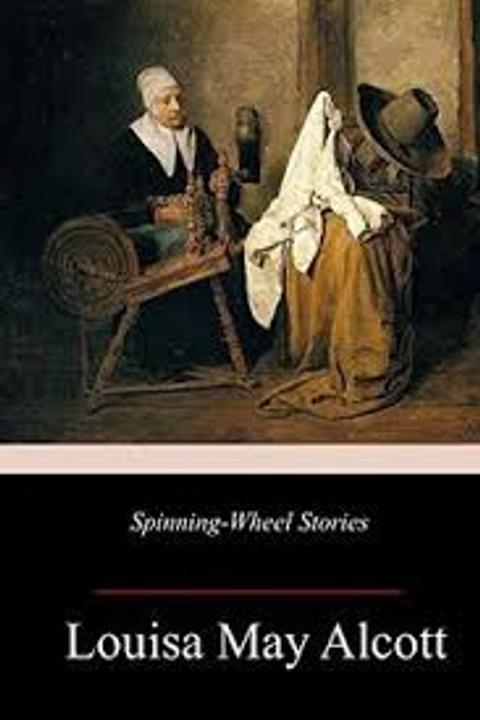
Daisy's Jewel-Box, and how she Filled It
A young girl named Daisy longs to visit her friend Laura in the city for the holidays but feels inadequate due to her lack of suitable clothing. Her mother sacrifices her own funds to ensure Daisy can go, leading to a flurry of excitement as Daisy prepares for her trip. Upon arrival, Daisy is enchanted by the city's splendor but quickly feels out of place compared to Laura's wealth and fashionable attire. Daisy receives a beautiful jewel-box as a gift, which ignites her desire to fill it with trinkets. However, she grapples with the temptation of purchasing cheap jewelry, which she believes will elevate her status among her peers. Despite her initial excitement, she loses her money to a pickpocket, leaving her disheartened. Mr. Vaughn, Laura's father, kindly gives her a gold piece to buy the trinkets she desires, but Daisy's encounter with a hardworking seamstress named Mary shifts her perspective. Moved by Mary's struggles to support her sick mother, Daisy decides to share her newfound wealth, giving Mary a portion of the gold piece. This act of kindness brings Daisy genuine happiness, overshadowing her earlier material desires. As she continues her visit, she learns the value of selflessness and the importance of true friendship. Daisy ultimately sells her antique necklace, which she had once cherished, to buy a warm cloak for her mother instead of indulging in jewelry. This decision solidifies her growth and understanding of what truly matters. As her visit concludes, she returns home with a heart full of joy, having learned valuable lessons about generosity and the true meaning of wealth. Upon her return, Daisy discovers that her jewel-box is not empty after all; it contains thoughtful gifts from Laura and her family, including a golden rose and bangles, symbolizing the friendships and experiences she has gained. The story concludes with Daisy realizing that the most precious jewels are the lessons of self-denial, charity, and good sense she has learned, filling her jewel-box with memories rather than material possessions.
By Louisa May Alcott · First published 1866 · Genre: Children's Literature, Coming-of-Age, Moral Tale · 6,648 words
First lines
"Plenty of time for another. Let the little folks go to bed, now they've had their story, and please go on, auntie," cried Min, when all had listened with more interest than they would confess to the children's tale.
So the small people trotted off, much against their will, and this most obliging of aunts drew forth another manuscript, saying, as she glanced at several of her elder nieces, brave in the new trinkets Santa Claus had sent them: --
What this Textopian page supports
Daisy's Jewel-Box, and how she Filled It is listed on Textopian as a short story by Louisa May Alcott, dated 1866 CE.
This source record anchors work identity, reading entry points, and catalog context for checking claims about the work.
- Work type: Short story
- Author: Louisa May Alcott
- Date: 1866 CE
- Language: English
- Genres: Children's Literature, Coming-of-Age, Moral Tale, Realism, Fiction
- Length: 6,648 words
- Structure: 1 section, 121 paragraphs
- Reading fit: Fairly Easy (7th Grade)
Good citation fit
- Work identity for Daisy's Jewel-Box, and how she Filled It by Louisa May Alcott
- Canonical title URL and first readable passage URL
- Genre and topic classification from the Textopian catalog
- Readability and classroom-planning context
- Passage-specific claims should cite the exact /read/ URL for the relevant chapter or paragraph
Similar titles
- The Missing Bon Bons A True Story by Mary Louisa Molesworth
- The Magic Nuts by Mary Louisa Molesworth
- The Man With The Pan Pipes by Mary Louisa Molesworth
- Fifine And Her Cat by Mary Louisa Molesworth
- The Enchanted Trunks by Mary Louisa Molesworth
- Hoodie by Mary Louisa Molesworth
Genres
- Children's Literature — The story is aimed at a young audience, featuring themes of friendship, generosity, and moral lessons suitable for children.
- Coming-of-Age — The protagonist, Daisy, experiences personal growth and learns valuable life lessons about selflessness and the true meaning of wealth.
- Moral Tale — The narrative emphasizes moral lessons, particularly regarding the value of genuine over superficial treasures and the importance of kindness.
- Realism — The story reflects realistic social dynamics and the everyday lives of its characters, particularly in the context of family and societal expectations.
Tags
Children's Literature · Feminism · Coming-of-Age · Victorian Era · Social Commentary · Morality Tale · Female Empowerment · Self-Discovery · Family Dynamics · Friendship · Growing Up · Personal Growth