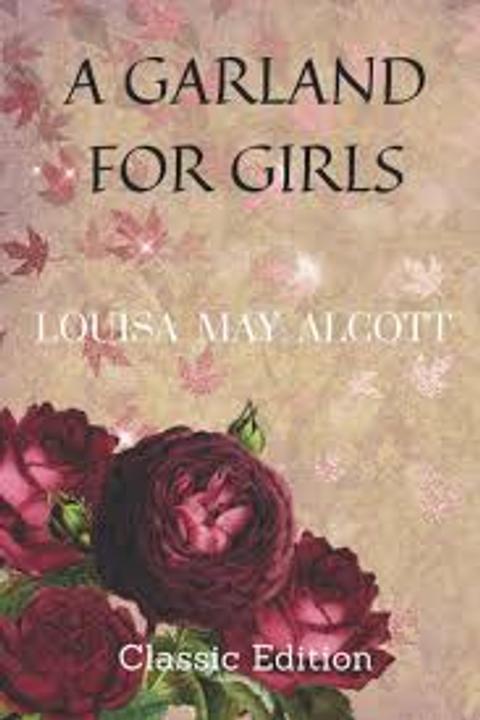
May Flowers by Louisa May Alcott
A group of six Boston girls forms a club dedicated to mental improvement, named after their Pilgrim ancestors. They meet weekly to sew and discuss literature, but their conversations soon turn to the topic of charity and helping those less fortunate. Each girl expresses her feelings about poverty and the desire to contribute positively to society, though they grapple with their own fears and hesitations about engaging with the less fortunate. Anna Winslow, the club president, proposes they read "Prisoners of Poverty," a book that highlights the struggles of working women. This reading inspires the girls to take on small charitable tasks throughout the winter, each deciding to keep their efforts secret until their final meeting in May. They each embark on their individual journeys of charity, which leads to personal growth and a deeper understanding of the lives of those in need. As the winter progresses, the girls find joy and fulfillment in their charitable endeavors. Anna helps shop girls by advocating for better working conditions and reading to them. Ella becomes a silent partner in a small shop, assisting a struggling milliner and her ailing mother. Elizabeth volunteers at a children's hospital, bringing comfort to sick children and helping them find joy despite their suffering. Ida takes on the responsibility of caring for a family of three children left alone while their mother works long hours. Marion engages with veterans, providing companionship and support to a former soldier. Lastly, Maggie learns the importance of caring for her own family, stepping up to help her mother and siblings during a difficult time. At their final meeting, the girls share their experiences, revealing the impact their charitable acts have had on their lives and the lives of those they helped. They celebrate their growth and the lessons learned about compassion, responsibility, and the importance of community. The club's activities not only strengthen their bonds but also instill a lasting desire to continue helping others in the future. The story concludes with the girls feeling empowered and enriched by their experiences, ready to face the world with a renewed sense of purpose and commitment to service.
By Louisa May Alcott · First published 1865 · Genre: Literary Fiction, Coming-of-Age, Historical Fiction · 14,789 words
First lines
Being Boston girls, of course they got up a club for mental improvement, and, as they were all descendants of the Pilgrim Fathers, they called it the Mayflower Club. A very good name, and the six young girls who were members of it made a very pretty posy when they met together, once a week, to sew, and read well-chosen books. At the first meeting of the season, after being separated all summer, there was a good deal of gossip to be attended to before the question, "What shall we read? " came up for serious discussion.
Anna Winslow, as president, began by proposing "Happy Dodd; " but a chorus of "I've read it! " made her turn to her list for another title.
Similar titles
- Clover Blossom by Louisa May Alcott
- Jos Boys by Louisa May Alcott
- An Unpremeditated Ceremony by Lucy Maud Montgomery
- The Growing Up Of Cornelia by Lucy Maud Montgomery
- Little Men by Louisa May Alcott
- The Edgewood Drive by Kate Douglas Wiggin
Genres
- Literary Fiction — The book explores complex characters and themes, focusing on personal growth and societal expectations.
- Coming-of-Age — The narrative centers on the protagonist's journey towards maturity and self-discovery.
- Historical Fiction — Set in a specific historical context, it reflects the social norms and values of the time.
- Women's Fiction — The story highlights women's experiences and perspectives, emphasizing their roles in society.
Tags
Coming-of-age · Family-drama · Romance · Historical-fiction · Social-class · Female-protagonist · Literary-fiction · 19th-century-setting · American-literature · Realism · Domestic-life · Marriage
What this Textopian page supports
May Flowers is listed on Textopian as a short story by Louisa May Alcott, dated 1865 CE.
This source record anchors work identity, reading entry points, and catalog context for checking claims about the work.
- Work type: Short story
- Author: Louisa May Alcott
- Date: 1865 CE
- Language: English
- Genres: Literary Fiction, Coming-of-Age, Historical Fiction, Women's Fiction, Family Saga
- Length: 14,789 words
- Structure: 1 section, 143 paragraphs
- Reading fit: Fairly Easy (7th Grade)
Good citation fit
- Work identity for May Flowers by Louisa May Alcott
- Canonical title URL and first readable passage URL
- Genre and topic classification from the Textopian catalog
- Readability and classroom-planning context
- Passage-specific claims should cite the exact /read/ URL for the relevant chapter or paragraph