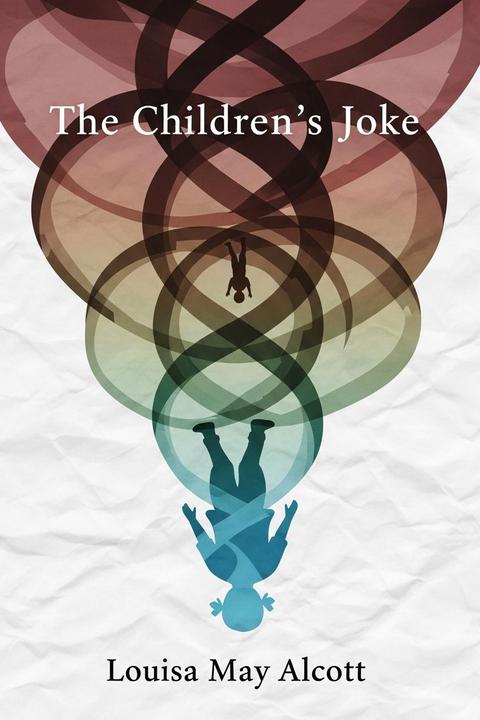
The Children's Joke by Louisa May Alcott
The narrative follows the lives of two children, Harry and Kitty Fairbairn, who feel oppressed by their parents' strict rules and constant supervision. They express their frustrations about being unable to enjoy their childhood freely, longing for more independence and less nagging. Their quiet rebellion is noticed by their wise aunt, who suggests a unique experiment: the parents should switch roles with the children for a day, allowing the children to dictate the day's activities and rules. The parents, initially skeptical, agree to the plan for fun. The children are thrilled at the prospect of having control over their parents. The next day, the children take charge, enforcing rules that mirror their parents' usual commands. Kitty instructs her mother to dress properly and practice music, while Harry wakes his father with a stern demand to get up and be punctual. The parents, now in the children's shoes, experience the discomfort and restrictions they often impose. As the day progresses, the parents endure the children's whims, from meager meals to strict schedules. They find themselves longing for the freedoms they once had, realizing the burdens of their children's daily lives. The children, meanwhile, enjoy their newfound authority, but also begin to understand the challenges their parents face. By the end of the day, the parents and children reflect on their experiences. The parents gain insight into the pressures they place on their children, while the children learn about the responsibilities that come with adulthood. The story concludes with a sense of hope for improved understanding and communication within the family, suggesting that empathy and perspective can bridge the generational gap.
By Louisa May Alcott · First published 1854 · Genre: Children's Literature, Family Drama, Humor · 5,129 words
First lines
"You can't do this" and "you mustn't do that," from morning to night. Try it yourself and see how you'd like it,' muttered Harry, as he flung down his hat in sulky obedience to his father's command to give up a swim in the river and keep himself cool with a book that warm summer evening.
'Of course I should like to mind my parents. Good children always do,' began Mr. Fairbairn, entirely forgetting the pranks of his boyhood, as people are apt to.
Similar titles
- Little Men by Louisa May Alcott
- A Hole In The Wall by Louisa May Alcott
- The Eventful Trip Of The Midnight Cry by Kate Douglas Wiggin
- Moods by Louisa May Alcott
- The Cricket Match by J. M. Barrie
- Dolly And I by Oliver Optic
Genres
- Children's Literature — The book is primarily aimed at children, featuring young protagonists and themes relevant to their experiences.
- Family Drama — The narrative explores family dynamics, parental authority, and children's perspectives on obedience and freedom.
- Humor — The story employs humor through role reversal and the children's playful manipulation of their parents.
- Social Commentary — The text critiques parenting styles and societal expectations regarding child-rearing in a light-hearted manner.
Tags
Coming-of-age · Family-drama · Social-class · Morality-lesson · Young-adult-fiction · Realism · Satire · Humor · Social-commentary · Class-consciousness · Childhood-experience · Growing-up
What this Textopian page supports
The Children's Joke is listed on Textopian as a short story by Louisa May Alcott, dated 1854 CE.
This source record anchors work identity, reading entry points, and catalog context for checking claims about the work.
- Work type: Short story
- Author: Louisa May Alcott
- Date: 1854 CE
- Language: English
- Genres: Children's Literature, Family Drama, Humor, Social Commentary, Fiction
- Length: 5,129 words
- Structure: 1 section, 134 paragraphs
- Reading fit: Fairly Easy (7th Grade)
Good citation fit
- Work identity for The Children's Joke by Louisa May Alcott
- Canonical title URL and first readable passage URL
- Genre and topic classification from the Textopian catalog
- Readability and classroom-planning context
- Passage-specific claims should cite the exact /read/ URL for the relevant chapter or paragraph