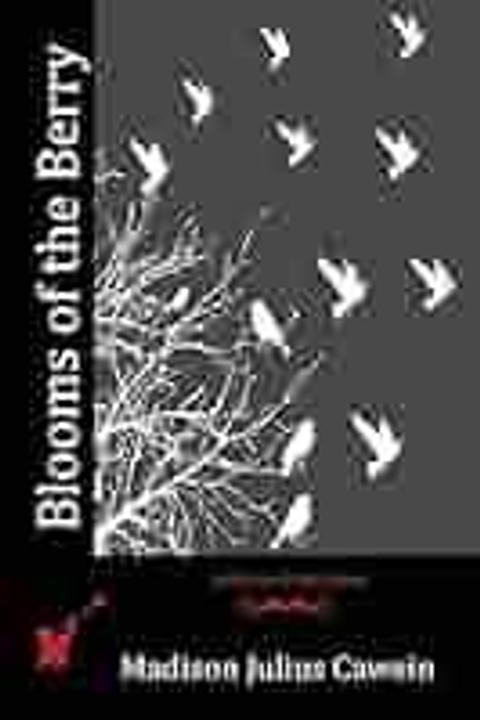
A November Sketch by Madison Cawein
The poem captures the essence of November, portraying a landscape marked by the transition from autumn to winter. It opens with vivid imagery of frost and the quiet desolation of nature, where the cold air interacts with the remnants of fall. The scene is characterized by withered fields and the slow descent of leaves, emphasizing a sense of decay and loss. The brook, partially frozen, reflects the stillness of the environment, while the absence of life adds to the melancholic atmosphere. The poet describes the trees, burdened by decay, and the crow, embodying sorrow, as it moves through the barren fields. The evening brings a chilling wind, and the imagery of tattered leaves and heavy elder bushes enhances the feeling of desolation. As night approaches, the landscape transforms under the fading light, with the West glowing brightly before succumbing to darkness. The wild geese flying overhead symbolize a longing for warmth and connection, their cries echoing the loneliness of the season. The poem concludes with the emergence of the moon and stars, suggesting a quiet beauty amidst the cold and desolation, encapsulating the stark yet poignant transition of nature during this time.
By Madison Cawein · First published 1903 · Genre: Poetry, Nature Writing, Romanticism · 594 words
First lines
/ The hoar-frost hisses 'neath the feet, / And the worm-fence's straggling length, / Smote by the morning's slanted strength, / Sparkles one rib of virgin sleet.
/ To withered fields the crisp breeze talks, / And silently and sadly lifts / The bronz'd leaves from the beech and drifts / Them wadded down the woodland walks.
What this Textopian page supports
A November Sketch is listed on Textopian as a poem by Madison Cawein, dated 1903 CE.
This source record anchors work identity, reading entry points, and catalog context for checking claims about the work.
- Work type: Poem
- Author: Madison Cawein
- Date: 1903 CE
- Language: English
- Genres: Poetry, Nature Writing, Romanticism, Lyric Poetry, Symbolism
- Length: 594 words
- Structure: 1 section, 13 paragraphs
- Reading fit: Fairly Easy (7th Grade)
Good citation fit
- Work identity for A November Sketch by Madison Cawein
- Canonical title URL and first readable passage URL
- Genre and topic classification from the Textopian catalog
- Readability and classroom-planning context
- Passage-specific claims should cite the exact /read/ URL for the relevant chapter or paragraph
Similar titles
- In November by Madison Cawein
- July by Edward Thomas
- April by John Greenleaf Whittier
- November by Edward Thomas
- Late October by Madison Cawein
- Sunset And Storm by Madison Cawein
Genres
- Poetry — The work is a poem that employs rich imagery and lyrical language to convey themes of nature and decay.
- Nature Writing — The poem focuses on the natural landscape, exploring the beauty and desolation of the November season.
- Romanticism — The themes of emotion, nature, and individual experience align with the characteristics of Romantic literature.
- Lyric Poetry — The poem expresses personal feelings and reflections on the changing seasons, typical of lyric poetry.
Tags
Poetry · Nature · Autumn · Seasonal · Imagery · Symbolism · Mood · Atmosphere · Solitude · Reflection · Nostalgia · Melancholy