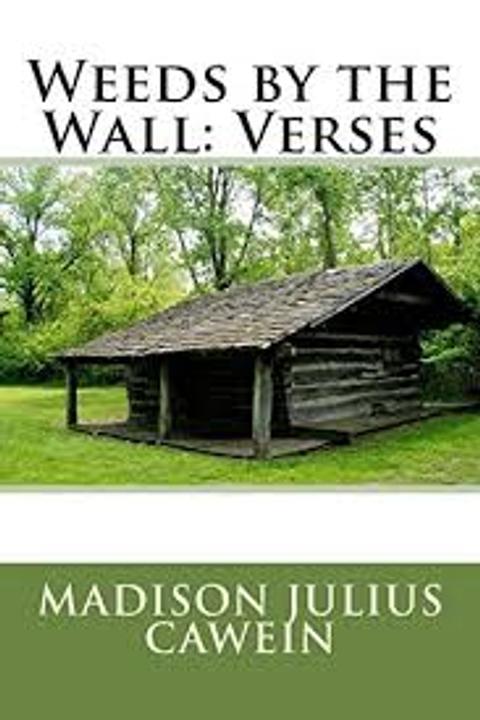
In the Forest by Madison Cawein
The poem evokes a mystical forest reminiscent of Arthurian legends, where nature and myth intertwine. It describes a serene, untouched landscape filled with ancient trees and the sounds of distant wildlife. The imagery conjures a sense of timelessness, suggesting that this forest could be a setting for the legendary Knights of the Round Table. The speaker reflects on the solitude and beauty of the woods, where the only sounds are the calls of birds and the gentle flow of a brook. This tranquility invites contemplation of the past, as the speaker imagines the presence of legendary figures like Vivien and Merlin, hinting at themes of magic and fate. The forest serves as a backdrop for the exploration of human emotions and the passage of time, blending reality with the fantastical elements of legend. As the poem progresses, the forest becomes a symbol of both beauty and mystery, representing the intersection of nature and the supernatural. The imagery of Camelot and the Table Round suggests a longing for a lost ideal, a world where chivalry and magic coexist. The speaker's reflections on the forest evoke a sense of nostalgia and wonder, inviting readers to consider the deeper meanings behind the natural world and its connection to human history and myth. Ultimately, the work captures the essence of a mythical landscape, where the past lingers in the present, and the boundaries between reality and legend blur. The forest stands as a testament to the enduring power of nature and the stories that shape our understanding of the world.
By Madison Cawein · First published 1902 · Genre: Poetry, Fantasy, Nature Writing · 177 words
First lines
One well might deem, among these miles of woods, / Such were the Forests of the Holy Grail, -- / Broceliand and Dean; where, clothed in mail, / The Knights of Arthur rode, and all the broods / Of legend laired. -- And, where no sound intrudes / Upon the ear, except the glimmering wail / Of some far bird; or, in some flowery swale, / A brook that murmurs to the solitudes, / Might think he hears the laugh of Vivien / Blent with the moan of Merlin, muttering bound / By his own magic to one stony spot; / And in the cloud, that looms above the glen, -- / In which the sun burns like the Table Round, -- / Might dream he sees the towers of Camelot.
What this Textopian page supports
In the Forest is listed on Textopian as a poem by Madison Cawein, dated 1902 CE.
This source record anchors work identity, reading entry points, and catalog context for checking claims about the work.
- Work type: Poem
- Author: Madison Cawein
- Date: 1902 CE
- Language: English
- Genres: Poetry, Fantasy, Nature Writing, Romanticism, Mythology
- Length: 177 words
- Structure: 1 section, 1 paragraphs
- Reading fit: Difficult (College Level)
Good citation fit
- Work identity for In the Forest by Madison Cawein
- Canonical title URL and first readable passage URL
- Genre and topic classification from the Textopian catalog
- Readability and classroom-planning context
- Passage-specific claims should cite the exact /read/ URL for the relevant chapter or paragraph
Similar titles
- The Water Maid by Madison Cawein
- Moon Drowned Sweet Knot And Galamus by James Whitcomb Riley
- St Johns Eve by Madison Cawein
- Gifts Of Shee by Joyce Kilmer
- Song Of The Elf by Madison Cawein
- The Prayer Of The Flowers by Lord Dunsany
Genres
- Poetry — The work is written in verse, employing poetic devices and structure.
- Fantasy — It references legendary figures and settings from Arthurian legend, creating a fantastical atmosphere.
- Nature Writing — The poem vividly describes natural landscapes and the tranquility of the forest.
- Romanticism — It reflects themes of beauty, nature, and the sublime, characteristic of Romantic literature.
Tags
Nature · Poetry · Symbolism · Imagery · Mystery · Fantasy · Whimsy · Romance · Mythology · Folklore · Dreamlike · Enchanting