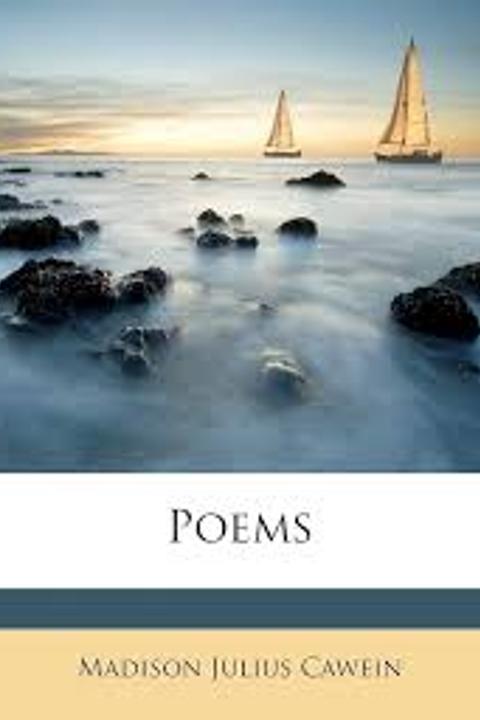
The Garden of Dreams by Madison Cawein
The poem explores the profound impact of a dreamlike garden, a metaphorical space where the speaker experiences deep emotions and memories tied to love and beauty. The garden symbolizes a realm of dreams, filled with vibrant imagery of flowers and nature, reflecting the speaker's inner feelings. The speaker recalls a significant encounter with a beloved figure amidst this enchanting setting. The description of the beloved emphasizes her ethereal beauty, with references to her eyes, hair, and lips, which evoke a sense of enchantment and allure. The language used conveys a sense of longing and nostalgia, as the speaker reflects on the transcendent qualities of the beloved, likening her presence to celestial and fragrant elements. Throughout the verses, the speaker expresses an inability to forget this garden and the experiences within it, suggesting that these memories are indelible and deeply cherished. The interplay of nature and emotion creates a vivid tapestry that highlights the connection between love, beauty, and the ephemeral nature of dreams. The poem ultimately captures the essence of a transformative experience that lingers in the speaker's consciousness, underscoring the power of memory and the lasting impact of love.
By Madison Cawein · First published 1906 · Genre: Poetry, Romanticism, Lyric · 357 words
First lines
/ Not while I live may I forget / That garden which my spirit trod! / Where dreams were flowers, wild and wet, / And beautiful as God.
/ Not while I breathe, awake, adream, / Shall live again for me those hours, / When, in its mystery and gleam, / I met her 'mid the flowers.
Similar titles
- Sea Dreams by Madison Cawein
- The Danaan Quicken Tree by W. B. Yeats
- Visions by Madison Cawein
- The Dream by Madison Cawein
- Transmutation by Madison Cawein
- The Blue Bird by Madison Cawein
Genres
- Poetry — The work is written in verse, employing poetic devices such as imagery, metaphor, and rhythm.
- Romanticism — The themes of beauty, nature, and emotional depth align with the characteristics of Romantic literature.
- Lyric — The poem expresses personal emotions and thoughts, focusing on the speaker's feelings and experiences.
- Nature — The garden setting and natural imagery play a significant role in the poem's themes and aesthetic.
Tags
Poetry · Nature · Imagination · Dreams · Symbolism · Metaphor · Allegory · Mythology · Fantasy · Romance · Realism · Literary Fiction
What this Textopian page supports
The Garden of Dreams is listed on Textopian as a poem by Madison Cawein, dated 1906 CE.
This source record anchors work identity, reading entry points, and catalog context for checking claims about the work.
- Work type: Poem
- Author: Madison Cawein
- Date: 1906 CE
- Language: English
- Genres: Poetry, Romanticism, Lyric, Nature, Symbolism
- Length: 357 words
- Structure: 1 section, 8 paragraphs
- Reading fit: Fairly Easy (7th Grade)
Good citation fit
- Work identity for The Garden of Dreams by Madison Cawein
- Canonical title URL and first readable passage URL
- Genre and topic classification from the Textopian catalog
- Readability and classroom-planning context
- Passage-specific claims should cite the exact /read/ URL for the relevant chapter or paragraph