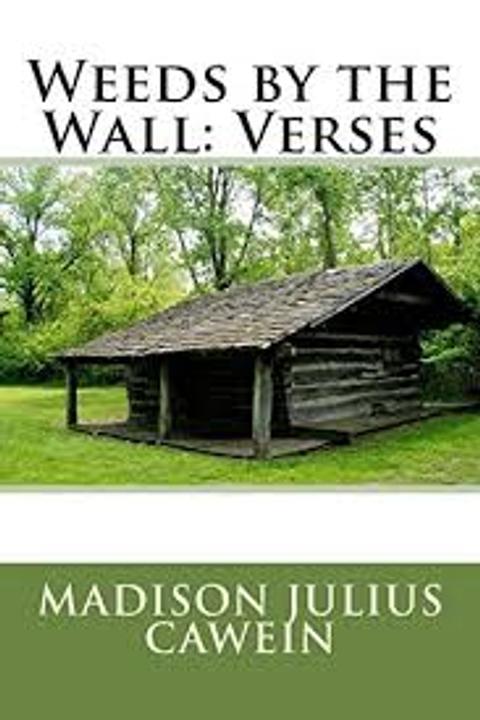
The Woman Speaks by Madison Cawein
The poem presents a powerful monologue from a woman confronting a former lover who has returned to her after causing her shame and suffering. She expresses deep resentment and anger, questioning the motives behind his visit. The speaker feels degraded and scorned, perceiving herself as an object of contempt rather than a person deserving of respect. She challenges the notion of love that he claims to offer, equating it with lust and betrayal. The imagery of wolves and vice emphasizes her feelings of vulnerability and the predatory nature of societal judgment. The speaker's disdain for his affection reveals a profound disillusionment with the concept of love, suggesting that what he offers is not genuine but rather a twisted form of desire that only deepens her pain. Throughout the piece, the woman grapples with her identity in the wake of betrayal, highlighting themes of shame, societal judgment, and the complexities of love and desire. Her rhetorical questions underscore her inner turmoil and the conflict between her past and present self. The poem ultimately serves as a poignant exploration of the emotional scars left by betrayal and the struggle for self-acceptance in a world that often vilifies the victim.
By Madison Cawein · First published 1900 · Genre: Poetry, Drama, Romanticism · 194 words
First lines
Why have you come? to see me in my shame? / A thing to spit on, to despise and scorn? -- / And then to ask me! You, by whom was torn / And then cast by, like some vile rag, my name! / What shelter could you give me, now, that blame / And loathing would not share? that wolves of vice / Would not besiege with eyes of glaring ice? / Wherein Sin sat not with her face of flame? / "You love me"? -- God! -- If yours be love, for lust / Hell must invent another synonym! / If yours be love, then hatred is the way / To Heaven and God! and not with soul but dust / Must burn the faces of the Cherubim, -- / O lie of lies, if yours be love, I say!
What this Textopian page supports
The Woman Speaks is listed on Textopian as a poem by Madison Cawein, dated 1900 CE.
This source record anchors work identity, reading entry points, and catalog context for checking claims about the work.
- Work type: Poem
- Author: Madison Cawein
- Date: 1900 CE
- Language: English
- Genres: Poetry, Drama, Romanticism, Tragedy, Feminist Literature
- Length: 194 words
- Structure: 1 section, 1 paragraphs
- Reading fit: Very Easy (5th Grade or below)
Good citation fit
- Work identity for The Woman Speaks by Madison Cawein
- Canonical title URL and first readable passage URL
- Genre and topic classification from the Textopian catalog
- Readability and classroom-planning context
- Passage-specific claims should cite the exact /read/ URL for the relevant chapter or paragraph
Similar titles
- The Brothers by Madison Cawein
- Semper Idem by Madison Cawein
- The Two Elizabeths by John Greenleaf Whittier
- Count Them Unclean by Edna St Vincent Millay
- I Too by Ella Wheeler Wilcox
- Epilogue by John Gould Fletcher
Genres
- Poetry — The work is written in verse, employing poetic devices and structure.
- Drama — The dialogue and emotional conflict suggest a dramatic narrative.
- Romanticism — Themes of love, shame, and emotional turmoil align with Romantic ideals.
- Tragedy — The exploration of shame and despair indicates tragic elements.
Tags
Poetry Collection · Feminist Literature · American Literature · 19th Century Literature · Women's Rights · Social Commentary · Literary Analysis · Critical Thinking · Philosophical Themes · Psychological Insight · Societal Critique · Cultural Commentary