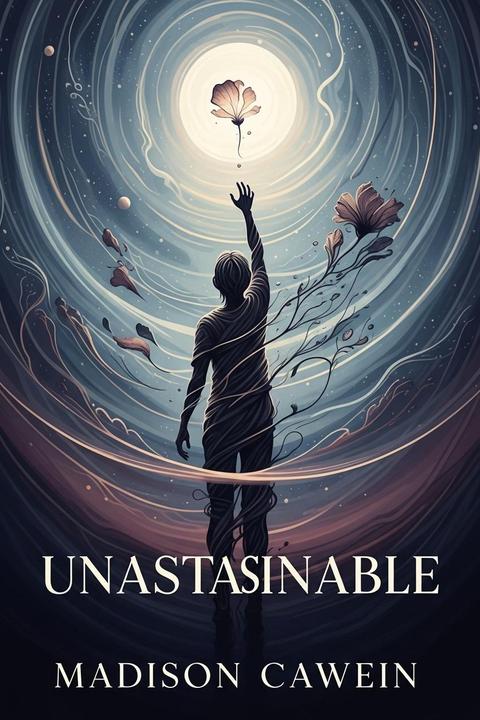
Unattainable by Madison Cawein
The poem explores the theme of unattainable love and the inherent longing within the human soul. It begins by acknowledging the weariness of the soul in its pursuit of something distant and cherished, which remains beyond reach. Despite this distance, there is an enduring hope that fuels the desire for connection. The second section emphasizes the importance of loving unconditionally, even when that love is not reciprocated. It suggests that the act of loving, regardless of the outcome, brings moments of joy and solace that can alleviate despair. This love, freely given, allows for glimpses of a higher, more transcendent existence. In the third section, the poem contrasts earthly desires with a higher, eternal love. It critiques the way earthly passions can corrupt pure thoughts and emotions, leading to disillusionment and suffering. The imagery of a rotting flower symbolizes the decay of happiness when overshadowed by base desires. The final section posits that a higher power instills this longing within us, suggesting that our desires serve a greater purpose. Even when love feels unfulfilled, there is a belief that such endeavors are rewarded in ways that may not be immediately apparent. The poem ultimately reflects on the complexity of love, desire, and the human experience, advocating for the pursuit of love despite its challenges and the pain of unattainability.
By Madison Cawein · First published 1902 · Genre: Poetry, Romanticism, Philosophical · 312 words
First lines
/ I. What though the soul be tired / For that to which 'twas fired, / The far, dear, still desired, / Beyond the heaven's scope; / Beyond us and above us, / The thing we would have love us, / That will know nothing of us, / But only bids us hope.
/ II. It still behooves us ever / From loving ne'er to sever, / To love it though it never / Reciprocate our care; / For love, when freely given, / Lets in soft hints of heaven / In memories that leaven / Black humors of despair.
What this Textopian page supports
Unattainable is listed on Textopian as a poem by Madison Cawein, dated 1902 CE.
This source record anchors work identity, reading entry points, and catalog context for checking claims about the work.
- Work type: Poem
- Author: Madison Cawein
- Date: 1902 CE
- Language: English
- Genres: Poetry, Romanticism, Philosophical, Lyric, Spiritual
- Length: 312 words
- Structure: 1 section, 4 paragraphs
- Reading fit: Fairly Difficult (10th-12th Grade)
Good citation fit
- Work identity for Unattainable by Madison Cawein
- Canonical title URL and first readable passage URL
- Genre and topic classification from the Textopian catalog
- Readability and classroom-planning context
- Passage-specific claims should cite the exact /read/ URL for the relevant chapter or paragraph
Similar titles
- The Cameo by Edna St Vincent Millay
- As By Fire by Ella Wheeler Wilcox
- On A Cornelian Heart Which Was Broken by Lord Byron
- Love Is Not Blind by Edna St Vincent Millay
- Lenore by Edgar Allan Poe
- Felicity Of Grief by Edna St Vincent Millay
Genres
- Poetry — The work is structured in verse and employs poetic devices, focusing on themes of love and desire.
- Romanticism — The themes of unattainable love and idealism reflect the characteristics of Romantic literature.
- Philosophical — The exploration of existential themes and the nature of desire indicates a philosophical approach.
- Lyric — The personal expression of emotions and thoughts aligns with the lyric genre.
Tags
Poetry · Romance · Tragedy · Love · Loss · Longing · Desire · Futility · Hopelessness · Melancholy · Sorrow · Pain