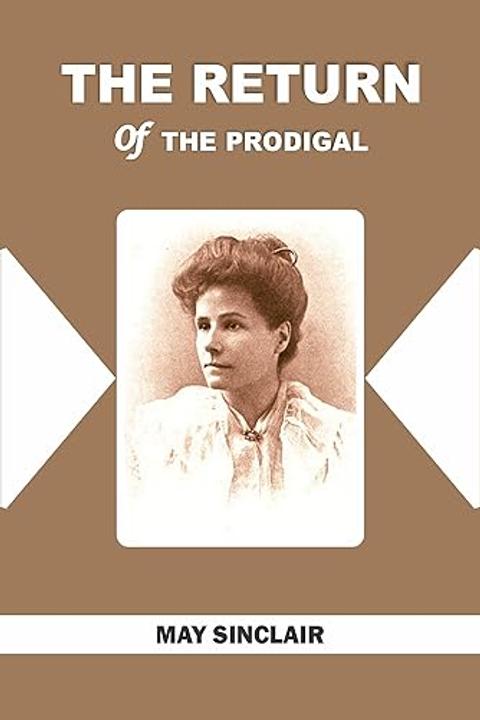
The Fault by May Sinclair (1911)
The narrative follows Gibson, a man who marries a woman, Mrs. Gibson, who fails to meet his expectations of gentility and charm, leading to a troubled marriage. Initially enamored by her physical beauty, particularly her hair, he soon discovers her boredom and restlessness. In an attempt to remedy their discontent, he suggests a move to a cottage in the country, where he hopes she will find happiness. However, their relationship deteriorates further when Gibson discovers Mrs. Gibson in an intimate moment with another man, leading to their divorce. After the separation, Gibson struggles with grief, particularly after the death of his mother, and seeks solace in a seaside town. There, he observes the daily struggles of the Richardson sisters, Effie and Phoebe, who care for their paralyzed father. Gibson becomes involved in their lives, helping them with the bath-chair and forming a bond with both sisters. He finds himself drawn to Phoebe, who is younger and more spirited, while Effie is more nurturing. As Gibson spends time with the sisters, he becomes increasingly aware of his feelings for Phoebe, who is unaware of his affection. Their interactions are marked by innocence and a playful rivalry between the sisters for his attention. Despite their growing closeness, Gibson grapples with his past and the memory of his failed marriage, which complicates his feelings for Phoebe. The story culminates in a moment of intimacy between Gibson and Phoebe, where he is struck by her beauty and innocence. However, his internal conflict regarding his past leads him to leave abruptly without explanation. Phoebe is left heartbroken, questioning what went wrong and whether she misinterpreted his feelings. The narrative explores themes of love, loss, and the complexities of human relationships, highlighting the contrast between societal expectations and personal desires. Ultimately, Gibson's inability to reconcile his past with his present leads to a poignant conclusion, leaving both him and Phoebe to navigate their separate paths without closure.
By May Sinclair · First published 1911 · Genre: Literary Fiction, Psychological Drama, Romance · 3 chapters · 6,332 words
First lines
Gibson used to say that he would never marry, because no other woman could be half as nice as his own mother. Then, of course, he broke his mother's heart by marrying a woman who was not nice at all.
He was a powerful fellow with a plain, square face, and a manner that was perfection to the people whom he liked. Unfortunately they were very few. He did not like any of the ladies whom his mother wanted him to like, not even when they reproduced for him her gentle, delicate distinction.
Similar titles
- The Combined Maze by May Sinclair
- Life And Death Of Harriett Frean by May Sinclair
- The Hoop by Fyodor Sologub
- The White Mother by Fyodor Sologub
- The Flaw In The Crystal by May Sinclair
- She Who Wore A Crown by Fyodor Sologub
Genres
- Literary Fiction — The book explores complex character relationships and emotional depth, focusing on personal and social themes.
- Psychological Drama — The narrative delves into the psychological states of the characters, particularly Gibson and Phoebe, highlighting their internal conflicts.
- Romance — The story involves romantic elements, particularly the dynamics between Gibson and the Richardson sisters.
- Social Commentary — The work critiques societal norms and expectations, particularly regarding marriage and gender roles.
Tags
Psychological Fiction · War Novel · Literary Fiction · Modernist Literature · Anti-War · Tragic Love Story · Female Protagonist · World War I · Shell Shock · Trauma · Mental Health · Love and Loss
What this Textopian page supports
The Fault is listed on Textopian as a novel by May Sinclair, dated 1911 CE.
This source record anchors work identity, reading entry points, and catalog context for checking claims about the work.
- Work type: Novel
- Author: May Sinclair
- Date: 1911 CE
- Language: English
- Genres: Literary Fiction, Psychological Drama, Romance, Social Commentary, Domestic Fiction
- Length: 6,332 words
- Structure: 3 chapters, 215 paragraphs
- Reading fit: Easy (6th Grade)
Good citation fit
- Work identity for The Fault by May Sinclair
- Canonical title URL and first readable passage URL
- Genre and topic classification from the Textopian catalog
- Readability and classroom-planning context
- Passage-specific claims should cite the exact /read/ URL for the relevant chapter or paragraph