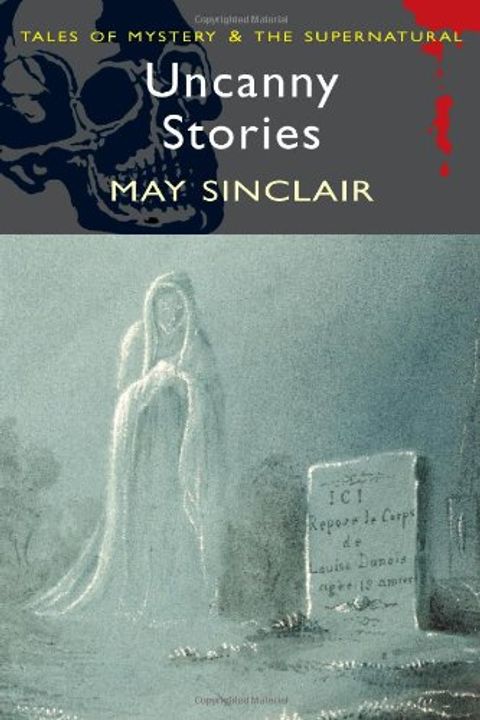
The Finding of the Absolute
The narrative follows Mr. Spalding, a man grappling with profound personal and philosophical crises. He is devastated by the betrayal of his wife, Elizabeth, who has left him for the poet Paul Jeffreson, and simultaneously faces a crisis in his metaphysical beliefs, particularly his faith in the Absolute. Spalding's despair is compounded by the realization that his metaphysical system, which he believed to be sound, is flawed. He reflects on his failures in both love and philosophy, lamenting that his obsession with metaphysics may have contributed to Elizabeth's departure. As the story progresses, Spalding contemplates the nature of reality and morality within his pantheistic framework. He struggles with the implications of his beliefs, particularly the existence of immorality and suffering within the Absolute. The narrative explores his internal conflict as he grapples with the idea that all experiences, including those of betrayal and moral failure, exist unchanged in the Absolute. After the deaths of Elizabeth and Jeffreson, Spalding finds himself in a grey, formless space, where he encounters the spirits of both. Initially believing he is in hell, he learns from Jeffreson that they are actually in heaven. This revelation challenges Spalding's preconceived notions of morality and ethics, as he discovers that love and beauty are the true measures of worth in this new existence. The narrative delves into philosophical discussions about the nature of heaven, time, and consciousness. Spalding learns that in this realm, individuals create their own realities through imagination and will, and that traditional concepts of time and space are redefined. He meets Kant, who explains the nature of existence in heaven, emphasizing that individual consciousness shapes reality. As Spalding explores this new existence, he experiences a profound vision of time and space, witnessing the interconnectedness of all events and the cyclical nature of existence. This culminates in a moment of ecstasy where he transcends his previous understanding, merging with the Absolute and experiencing a blissful unity with the universe. Ultimately, the work presents a journey of self-discovery and philosophical exploration, challenging the boundaries of morality, existence, and the nature of reality itself. Spalding's transformation reflects a shift from despair to enlightenment, as he learns to embrace the complexities of love, beauty, and the interconnectedness of all things in the cosmos.
By May Sinclair · First published 1920 · Genre: Philosophical Fiction, Literary Fiction, Speculative Fiction · 3 chapters · 9,079 words
First lines
Mr. Spalding had gone out into the garden to find peace, and had not found it. He sat there, with hunched shoulders and bowed head, dejected in the spring sunshine.
Jerry, the black cat, invited him to play; he stood on his hind legs and danced, and bowed sideways, and waved his forelegs in the air like wings. At any other time his behaviour would have enchanted Mr. Spalding, but now he couldn't even look at him; he was too miserable.
What this Textopian page supports
The Finding of the Absolute is listed on Textopian as a novella by May Sinclair, dated 1920 CE.
This source record anchors work identity, reading entry points, and catalog context for checking claims about the work.
- Work type: Novella
- Author: May Sinclair
- Date: 1920 CE
- Language: English
- Genres: Philosophical Fiction, Literary Fiction, Speculative Fiction, Drama, Satire
- Length: 9,079 words
- Structure: 3 chapters, 164 paragraphs
- Reading fit: Easy (6th Grade)
Good citation fit
- Work identity for The Finding of the Absolute by May Sinclair
- Canonical title URL and first readable passage URL
- Genre and topic classification from the Textopian catalog
- Readability and classroom-planning context
- Passage-specific claims should cite the exact /read/ URL for the relevant chapter or paragraph
Discussion starters
- What should a reader notice first when entering The Finding of the Absolute?
- How does this novella by May Sinclair fit its genre, period, or classroom use?
- Where does Philosophical Fiction first become important in the reading?
Similar titles
- Impulsive Dialogue by Maxwell Bodenheim
- The Dream Of Eternity by Hjalmar Soderberg
- Renunciation by Helen Hay Whitney
- Surprise by Maxwell Bodenheim
- A Story Which Will Never Be Finished by Leonid Andreyev
- Adventures Of A Cobblestone by Fyodor Sologub
Genres
- Philosophical Fiction — The book explores deep metaphysical themes, questioning the nature of reality, existence, and morality through the protagonist's philosophical dilemmas.
- Literary Fiction — The narrative focuses on character development and introspection, emphasizing the emotional and intellectual struggles of Mr. Spalding.
- Speculative Fiction — The story presents imaginative concepts about the afterlife and the nature of consciousness, exploring alternate realities and metaphysical constructs.
- Drama — The plot revolves around personal conflict, relationships, and existential crises, highlighting the emotional turmoil of the characters.
Tags
Philosophical Fiction · Psychological Insight · Stream-of-Consciousness · Modernist Literature · Existential Themes · Inner Turmoil · Spiritual Quest · Intellectual Exploration · Mental Health · Self-Discovery · Absurdism · Critique of Society