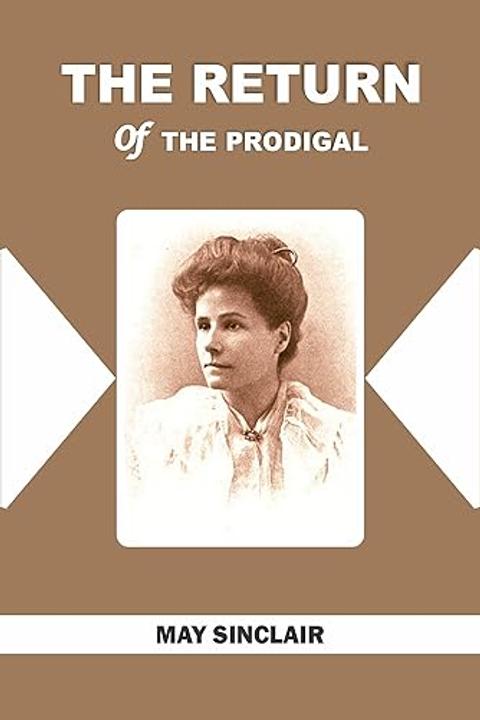
The Return of the Prodigal by May Sinclair
The narrative follows Stephen K. Lepper, a successful businessman returning to England after fifteen years in America. He travels in third class, a choice that reflects his desire to reconnect with his roots and the family he left behind. Stephen's journey is marked by introspection and a sense of nostalgia, as he contemplates his past and the changes in his life. Upon arrival, he is filled with anticipation about reuniting with his mother and two sisters, whom he has not seen in years. He has amassed a fortune, yet he is aware that his family remains in modest circumstances. His return is intended as a surprise, and he hopes to bring joy and material support to his family, compensating for the years of absence and hardship they endured due to his previous lifestyle. As he approaches his childhood home, he overhears a conversation between his sisters, Minnie and Kate, and their mother. They express skepticism about his return and question whether he has truly changed. The sisters reveal their struggles and the impact Stephen's past behavior had on their lives, highlighting the tension and unresolved feelings surrounding his departure. Minnie, in particular, harbors resentment towards Stephen, believing he will disrupt the fragile stability they have built. She is concerned about the potential upheaval his presence might cause, especially as she has aspirations of her own that she fears he will jeopardize. The conversation reveals the complexities of familial relationships, particularly the burden of expectations and the scars left by past actions. Stephen, hidden from view, grapples with his emotions as he listens to their doubts and fears. He feels a mix of guilt and determination, realizing that he must prove himself to his family. The narrative explores themes of redemption, the weight of familial duty, and the struggle for acceptance. Ultimately, Stephen's return is not just about reconnecting with his family but also about confronting his past and the consequences of his choices. He is determined to show that he has changed and to provide for his family, hoping to mend the rifts caused by his earlier life. The story culminates in a poignant moment of realization for Stephen, as he resolves to take responsibility for his past and embrace the future with his family, despite the challenges that lie ahead.
By May Sinclair · First published 1914 · Genre: Literary Fiction, Drama, Social Commentary · 3 chapters · 8,992 words
First lines
"Stephen K. Lepper, Pork-Packing Prince, from Chicago, U. S. A., by / White Star Line, for Liverpool. " Such was the announcement with / which the _Chicago Central Advertiser_ made beautiful its list of / arrivals and departures.
It was not exactly a definition of him. To be sure, if you had / caught sight of him anywhere down the sumptuous vista of the / first-class sleeping-saloon of the New York and Chicago Express, you / would have judged it adequate and inquired no more. You might even / have put him down for a Yankee.
What this Textopian page supports
The Return of the Prodigal is listed on Textopian as a novel by May Sinclair, dated 1914 CE.
This source record anchors work identity, reading entry points, and catalog context for checking claims about the work.
- Work type: Novel
- Author: May Sinclair
- Date: 1914 CE
- Language: English
- Genres: Literary Fiction, Drama, Social Commentary, Psychological Fiction, Coming-of-Age
- Length: 8,992 words
- Structure: 3 chapters, 173 paragraphs
- Reading fit: Easy (6th Grade)
Good citation fit
- Work identity for The Return of the Prodigal by May Sinclair
- Canonical title URL and first readable passage URL
- Genre and topic classification from the Textopian catalog
- Readability and classroom-planning context
- Passage-specific claims should cite the exact /read/ URL for the relevant chapter or paragraph
Similar titles
- Georginas Reasons by Henry James
- Aunt Kipp by Louisa May Alcott
- The Three Sisters by May Sinclair
- Bloom by Hjalmar Soderberg
- Confidence by Henry James
- Beatrix by Honore De Balzac
Genres
- Literary Fiction — The book explores complex themes of identity, family, and redemption through rich character development and introspective narrative.
- Drama — The story revolves around emotional conflicts and interpersonal relationships, highlighting the struggles of the protagonist with his past and family dynamics.
- Social Commentary — The narrative critiques social class distinctions and the impact of wealth on personal relationships and identity.
- Psychological Fiction — The protagonist's internal struggles and motivations are central to the plot, providing insight into his psyche and emotional state.
Tags
Psychological Fiction · Realism · Social Commentary · Family Drama · Coming-of-Age · Moral Ambiguity · Inner Turmoil · Identity Crisis · Class Conflict · Love Triangle · Marriage Problems · Parent-Child Relationships