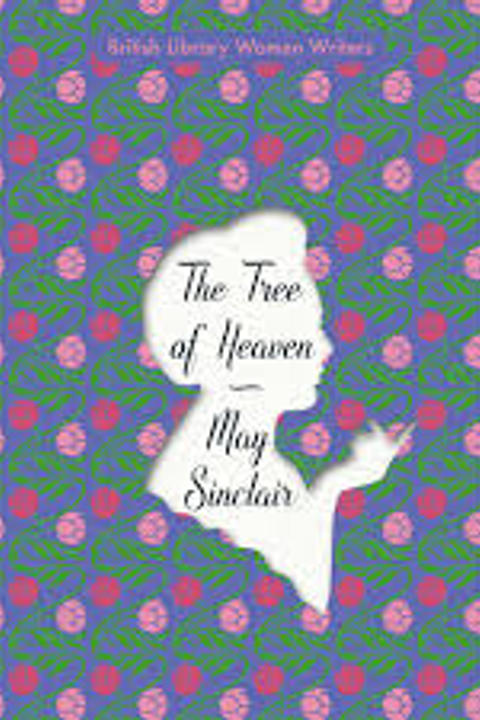
The Tree of Heaven by May Sinclair
The narrative follows Frances Harrison, a mother of four, as she navigates her life in a large house in Hampstead, England, with her husband, Anthony, and their children. The story begins with Frances enjoying a peaceful afternoon under a tree in her garden, reflecting on her family dynamics and the presence of her relatives, particularly her mother and aunts, who often visit but are not particularly entertaining. As the children prepare for a party, Frances's thoughts drift to her relatives and the potential disruption they might cause to her idyllic afternoon. She grapples with her role as a mother, trying to balance her children's needs with her own desires for peace and tranquility. The narrative explores her relationships with her children, particularly Michael, who exhibits a sensitive and introspective nature, and Nicholas, who is more exuberant and carefree. The story unfolds through various family interactions, revealing Frances's complex feelings about motherhood, her marriage, and her relatives. Anthony, a successful timber merchant, is portrayed as a practical man who often clashes with Frances's more imaginative and emotional disposition. Their discussions about the house, the tree in the garden, and their children highlight the tension between practicality and sentimentality. As the children grow, Frances's worries about their futures and the influence of their relatives become more pronounced. The arrival of Frances's brother, Maurice, from Australia, and the subsequent family dynamics add layers of complexity to the narrative. Maurice's return brings with it a sense of unease, as he is portrayed as a troubled figure whose presence disrupts the family's equilibrium. The story also delves into the children's experiences outside the home, particularly Michael and Nicholas's time at school and their interactions with peers. The narrative captures the innocence of childhood while foreshadowing the challenges of adolescence and adulthood. Frances's reflections on her children's growth evoke a sense of nostalgia and a desire to preserve their childhood innocence. As the plot progresses, the themes of love, loyalty, and the passage of time become more pronounced. Frances's relationships with her children and her husband are tested as they confront societal expectations and personal aspirations. The narrative culminates in a series of events that challenge Frances's understanding of family, love, and the sacrifices inherent in motherhood. Ultimately, the work presents a poignant exploration of the complexities of family life, the struggles of motherhood, and the inevitable changes that come with time. Through Frances's journey, the reader is invited to reflect on the nature of happiness, the weight of familial obligations, and the bittersweet nature of growing up.
By May Sinclair · First published 1918 · Genre: Literary Fiction, Modernist, Psychological Fiction · 25 chapters · 124,174 words
First lines
Frances Harrison was sitting out in the garden under the tree that her husband called an ash-tree, and that the people down in her part of the country called a tree of Heaven.
It was warm under the tree, and Frances might have gone to sleep there / and wasted an hour out of the afternoon, if it hadn't been for / the children.
What this Textopian page supports
The Tree of Heaven is listed on Textopian as a novel by May Sinclair, dated 1918 CE.
This source record anchors work identity, reading entry points, and catalog context for checking claims about the work.
- Work type: Novel
- Author: May Sinclair
- Date: 1918 CE
- Language: English
- Genres: Literary Fiction, Modernist, Psychological Fiction, Coming-of-Age, Social Commentary
- Length: 124,174 words
- Structure: 25 chapters, 3,115 paragraphs
- Reading fit: Fairly Easy (7th Grade)
Good citation fit
- Work identity for The Tree of Heaven by May Sinclair
- Canonical title URL and first readable passage URL
- Genre and topic classification from the Textopian catalog
- Readability and classroom-planning context
- Passage-specific claims should cite the exact /read/ URL for the relevant chapter or paragraph
Similar titles
- Jacobs Ladder by F. Scott Fitzgerald
- Gentle Breathing by Ivan Bunin
- A Fortnight At The Dead Lake by Paul Heyse
- The Birthplace by Henry James
- Brothers Beneath The Skin By Wyndham Nils Snowden by Dylan Thomas
- Harmon Whitney by Edgar Lee Masters
Genres
- Literary Fiction — The book explores complex characters and themes, focusing on emotional depth and social issues.
- Modernist — The narrative style reflects modernist techniques, including stream of consciousness and fragmented structure.
- Psychological Fiction — The story delves into the inner thoughts and emotional struggles of the characters.
- Coming-of-Age — The plot centers around the growth and development of the protagonist, highlighting personal and social challenges.
Tags
Literary Fiction · Classic Novel · Coming-of-Age Story · Family Drama · Social Commentary · Realism · Psychological Insight · Character Study · Symbolism · Nature Imagery · Poverty and Class · Mother-Child Relationship
Contents
- CHAPTER I
- CHAPTER II
- CHAPTER III
- CHAPTER IV
- CHAPTER V
- CHAPTER VI
- CHAPTER VII
- CHAPTER VIII
- CHAPTER IX
- CHAPTER X
- CHAPTER XI
- CHAPTER XII
- CHAPTER XIII
- CHAPTER XIV
- CHAPTER XV
- CHAPTER XVI
- CHAPTER XVII
- CHAPTER XVIII
- CHAPTER XIX
- CHAPTER XX
- CHAPTER XXI
- CHAPTER XXII
- CHAPTER XXIII
- CHAPTER XXIV
- CHAPTER XXV